

Summer Sale! 🏷️ Ride Into Summer! Save Big!
--
Days--
Hours--
Mins--
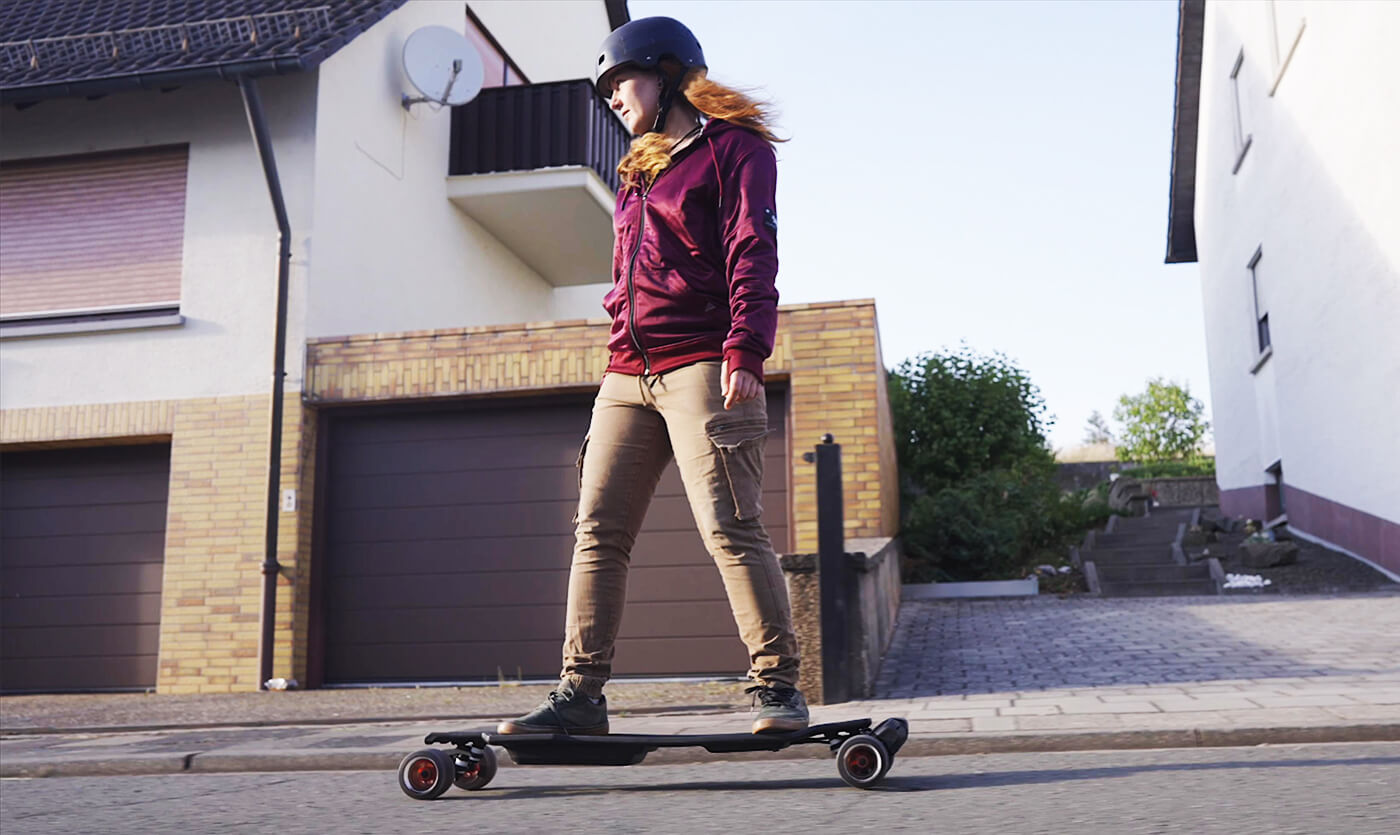
SecsLearning to ride an electric skateboard is generally easier than a traditional skateboard, especially for beginners. While it does take some practice to get comfortable, the electric motor and brakes make controlling the board more stable and manageable. You won’t need to push off constantly like a regular skateboard, which helps you focus on balance and steering.
In this post, we’ll walk you through the challenges beginners face, practical solutions, and everything you need to know to get started confidently.

Before you hop on an electric skateboard, it's important to understand the challenges many beginners face. The learning process can feel overwhelming, but knowing what to expect will help you ease into the experience.
Why It’s A Concern:
Like any new sport or activity, there’s always the concern of falling or injuring yourself, especially when you’re riding at high speeds. Electric skateboards can reach speeds much faster than traditional skateboards, which makes new riders worry about control.
Solution:
Start by wearing proper safety gear—a helmet, wrist guards, knee pads, and elbow pads. This will boost your confidence and minimize the fear of injury while you’re learning. Always ride on smooth, flat terrain when you’re getting started. Take it slow and practice getting on and off the skateboard before moving forward.
Why It’s A Concern:
Electric skateboards involve more than just balance; you also have to manage the throttle for speed, the brake, and sometimes even a remote control. This can feel overwhelming if you’re used to simple modes of transport like bikes or regular skateboards.
Solution:
Start slow—many boards have beginner settings that limit speed, making it easier to learn the basic motions. Spend some time just practicing balance before worrying about speeding up or braking. You can even practice without the skateboard rolling at first, just standing and adjusting your posture.
Why It’s A Concern:
Beginners often worry about controlling speed—whether they’ll go too fast or struggle to stop in time. Speed control is crucial, especially in crowded areas or around obstacles.
Solution:
To learn speed control, begin with low-speed settings and increase gradually as you become more comfortable. Spend time getting used to how the throttle feels under your hand and how the skateboard responds. Make sure you practice braking gently and in a controlled manner to avoid sudden jerks.
Related Reading: How Fast Can an Electric Skateboard Go? Riding Maximum Speed?
Why It’s A Concern:
Electric skateboards are packed with technology—remotes, battery indicators, and different settings for acceleration. If you're not familiar with tech-heavy products, you might feel a little lost.
Solution:
Get familiar with the technology—Before riding, spend some time learning about the remote, the board’s settings, and how the battery works. Most manufacturers provide easy-to-follow guides or mobile apps that help you monitor the board’s performance.
If you're looking for a variety of electric skateboards to choose from, you can check out options like those available at Maxfind Electric Skateboards, which offer beginner-friendly models and comprehensive features.
Why It’s A Concern:
Wondering where you can safely ride? The type of terrain can make a huge difference in how easy or hard it is to learn.

Now that you know the challenges, let’s talk about how to make learning to ride an electric skateboard a smoother and safer process.
Why It’s Important:
The most crucial skill for electric skateboarding is balance. Getting comfortable on the board will make all the other skills easier to learn.
Tip:
Practice standing on the skateboard without rolling at first. Find a quiet spot where you can safely stand and practice shifting your weight from one foot to the other. This will help you get used to the feel of the board.
Why It’s Important:
Managing the skateboard's speed is vital to your safety and confidence.
Tip:
Start with the lowest speed setting and practice gentle accelerations. Focus on controlling the throttle in short bursts, gradually increasing as you become more comfortable. Similarly, practice braking slowly—don’t press too hard at first, as this could throw you off balance.
Why It’s Important:
Stopping quickly and safely is one of the most important skills you need to learn.

Answer:
Yes, with the right precautions! Electric skateboards are safe for beginners as long as you wear protective gear (helmet, pads) and take your time learning. Starting on smooth, flat ground with a low-speed setting will make it easier and safer.
Answer:
It depends on the individual, but many beginners can get comfortable in just a few hours of practice. However, full confidence may take a few days to weeks of consistent practice. Don't rush—take your time and focus on mastering the basics before trying advanced maneuvers.

Take lessons or tutorials—if you're feeling unsure, finding a local instructor or watching video tutorials can help you learn faster.
Ride with a friend—having a more experienced rider with you can give you valuable tips and boost your confidence.
Practice regularly—the more you ride, the faster you'll improve. Start with short practice sessions, then gradually increase the time and difficulty.
Use the right skateboard—make sure you choose a model that's designed for beginners, with adjustable speeds and a stable design.
Learning to ride an electric skateboard can feel challenging at first, but with the right mindset, gear, and approach, it’s a skill anyone can master. Start slow, build your confidence, and don’t rush the process. With time, practice, and patience, you’ll soon be zooming around on your electric skateboard with ease and enjoying the freedom it brings!

Share:
Is It Worth Getting An Electric Skateboard?
How Skateboarding Entered the Olympics