


FAQs
1. Why is skateboard safety gear important for everyday riding?
Skateboard safety gear helps reduce the impact of falls, slips, and sudden stops during everyday riding. It adds an extra layer of protection for common contact points and can make daily commuting, cruising, and practice feel safer.
2. What does a skateboard protective gear set usually include?
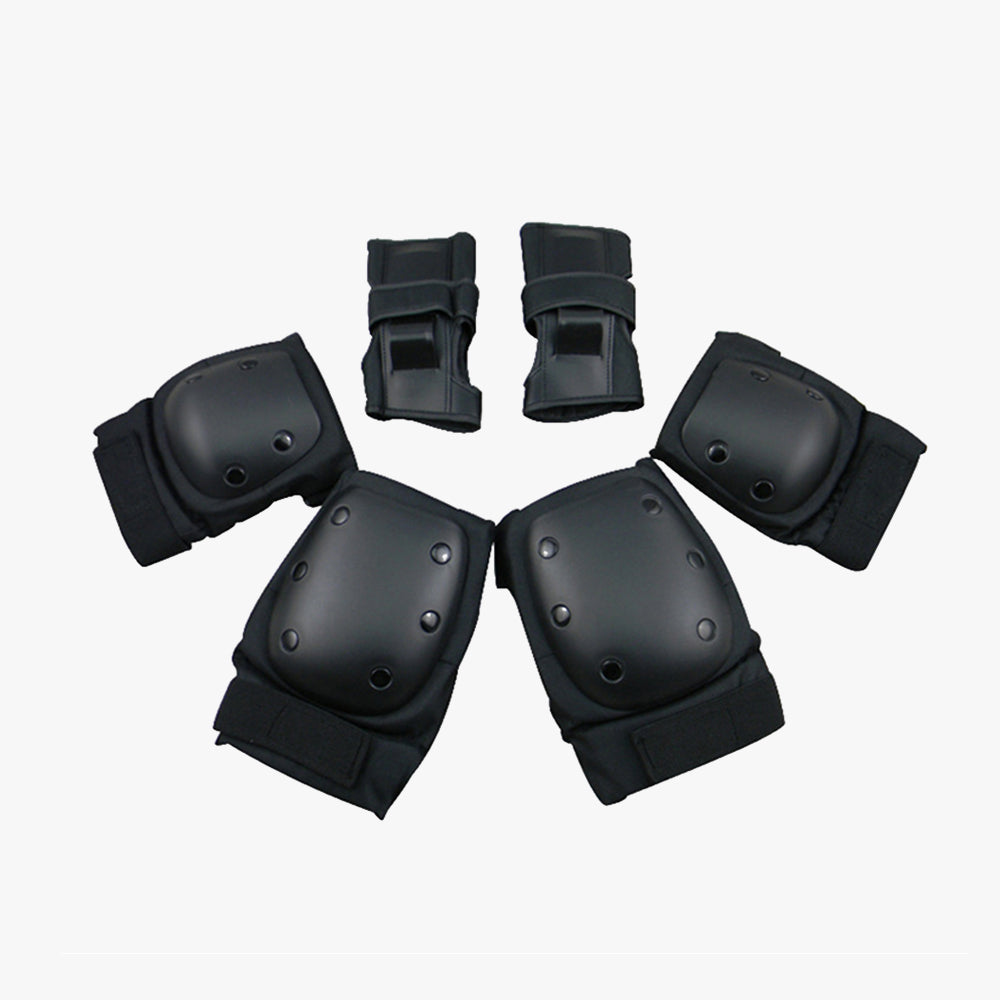
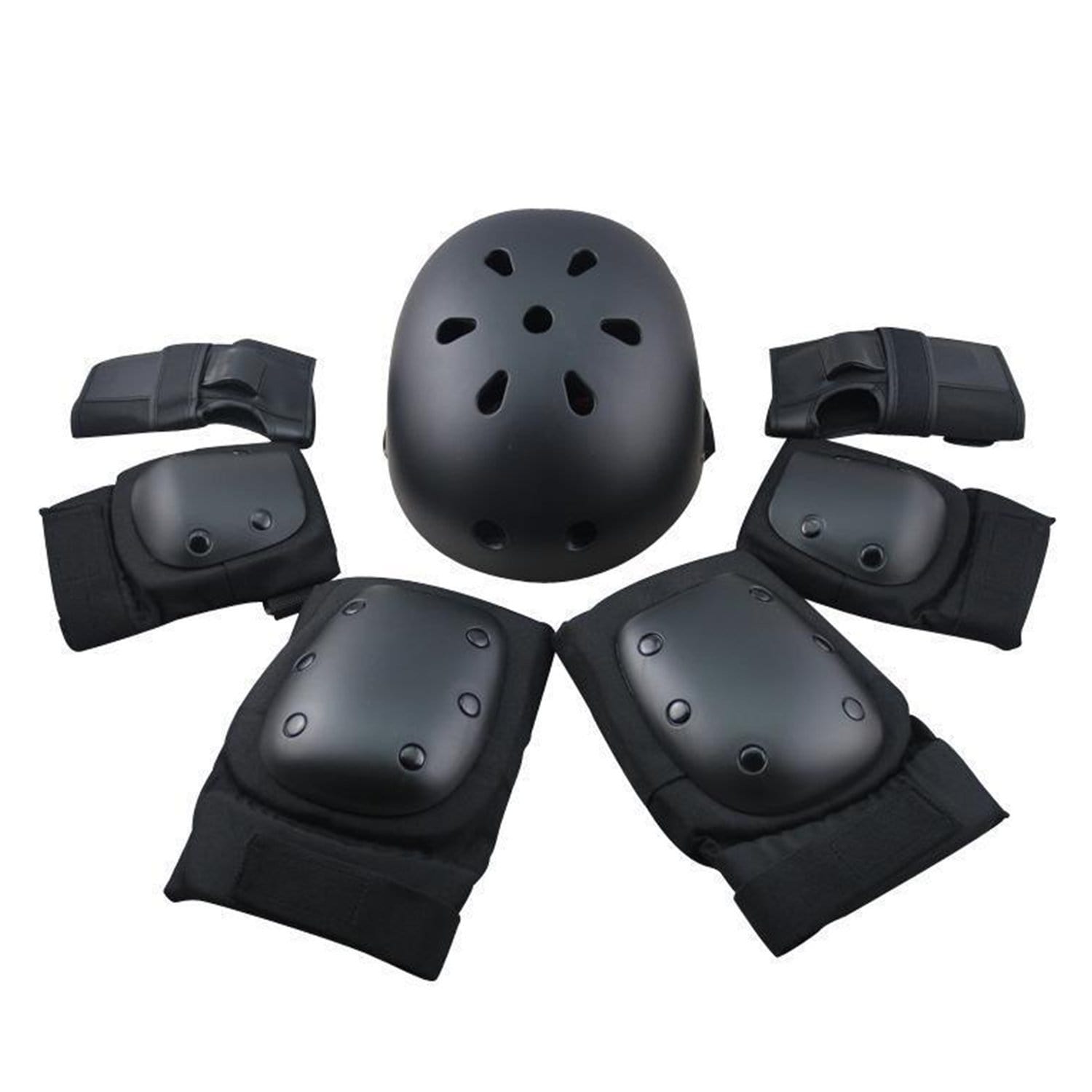
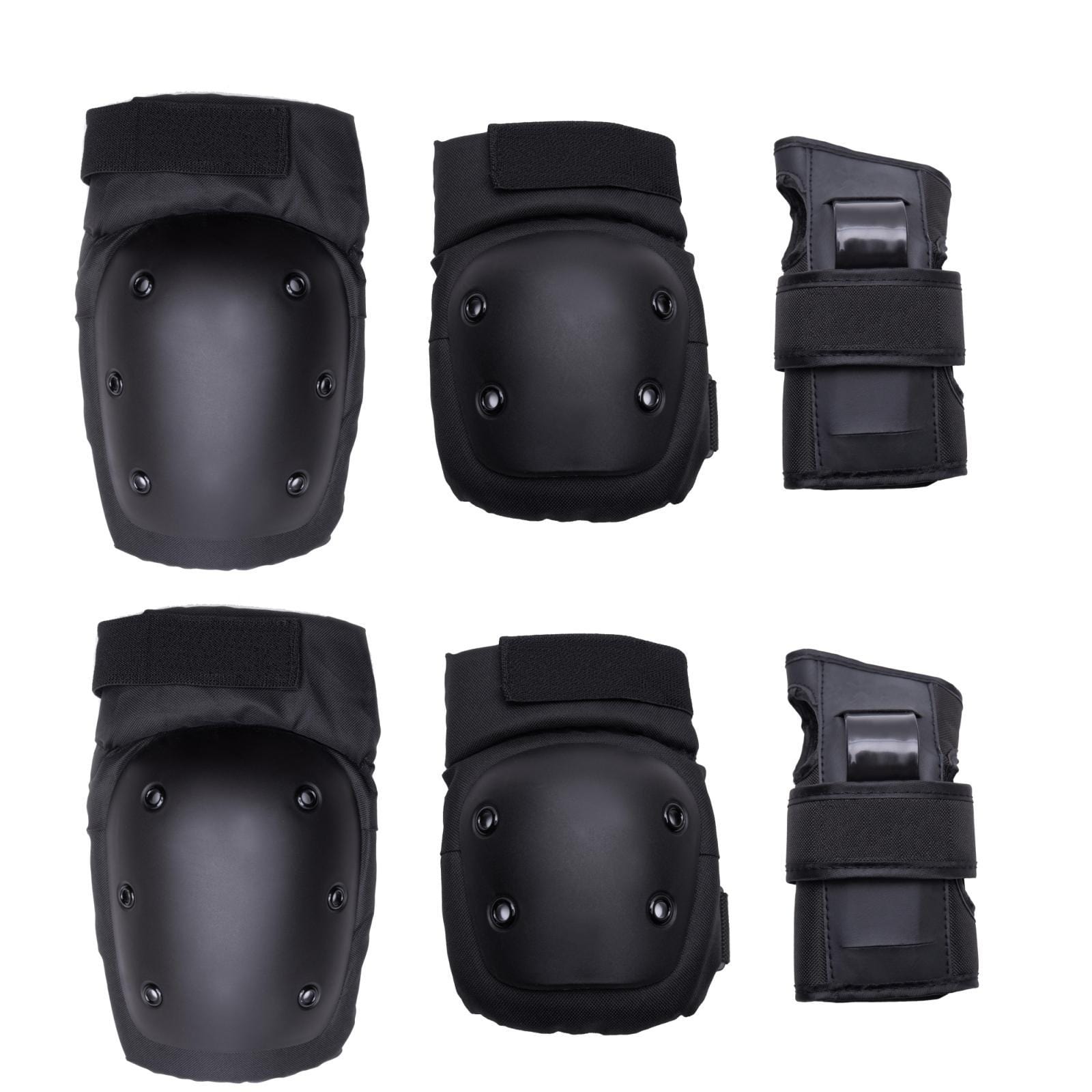
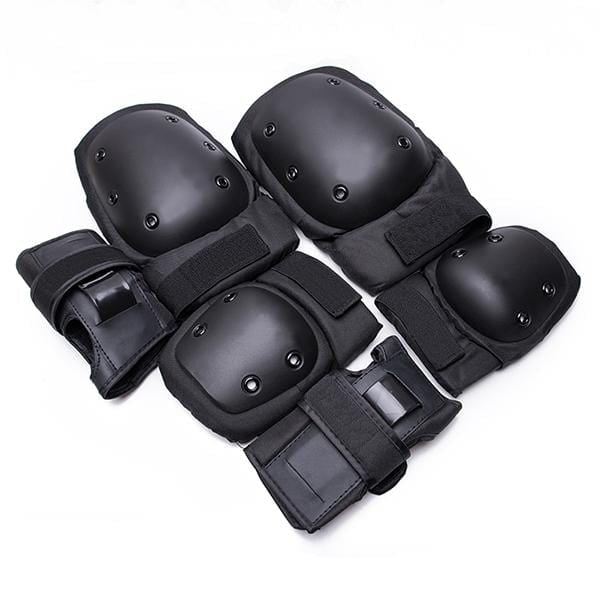
A skateboard protective gear set usually includes knee pads, elbow pads, and wrist guards. These pieces are designed to protect the areas most likely to be injured during a fall or loss of balance.
3. How should skateboard knee, elbow, and wrist pads fit?
Skateboard pads should fit securely without feeling too tight or restricting movement. They should stay in place while riding and provide stable coverage without slipping or shifting.
4. How do I choose the right size for skateboard protective gear?
The right size depends on a secure and comfortable fit. Protective gear should feel snug enough to stay in place, but not so tight that it causes discomfort or limits movement. Checking fit carefully is important for both safety and comfort.
5. What should I look for in skateboard safety gear for daily riding?
For daily riding, look for safety gear that offers reliable protection, a comfortable fit, and enough flexibility for regular movement. Durable materials and secure straps can also help improve support during commuting, cruising, and longer sessions.
6. When should I replace my skateboard pads and guards?
You should replace skateboard pads and guards when they show heavy wear, damage, loose straps, reduced support, or a poor fit. Worn protective gear may not provide the same level of protection as a newer set.
7. Is one protective gear set enough for commuting, cruising, and practice?
In many cases, one protective gear set is enough for different riding situations, as long as it fits properly and provides the protection you need. The key is choosing a set that is comfortable enough for daily use and supportive enough for regular riding.