

Autumn Miles. Limited-Time Deals 🏷️
--
Days--
Hours--
Mins--
SecsChoosing the right electric skateboard depends on your personal lifestyle and riding environment. Whether you prioritize the high speed stability of a longboard or the nimble portability of a mini board, understanding these key differences will ensure you select the perfect tool for your daily commute.
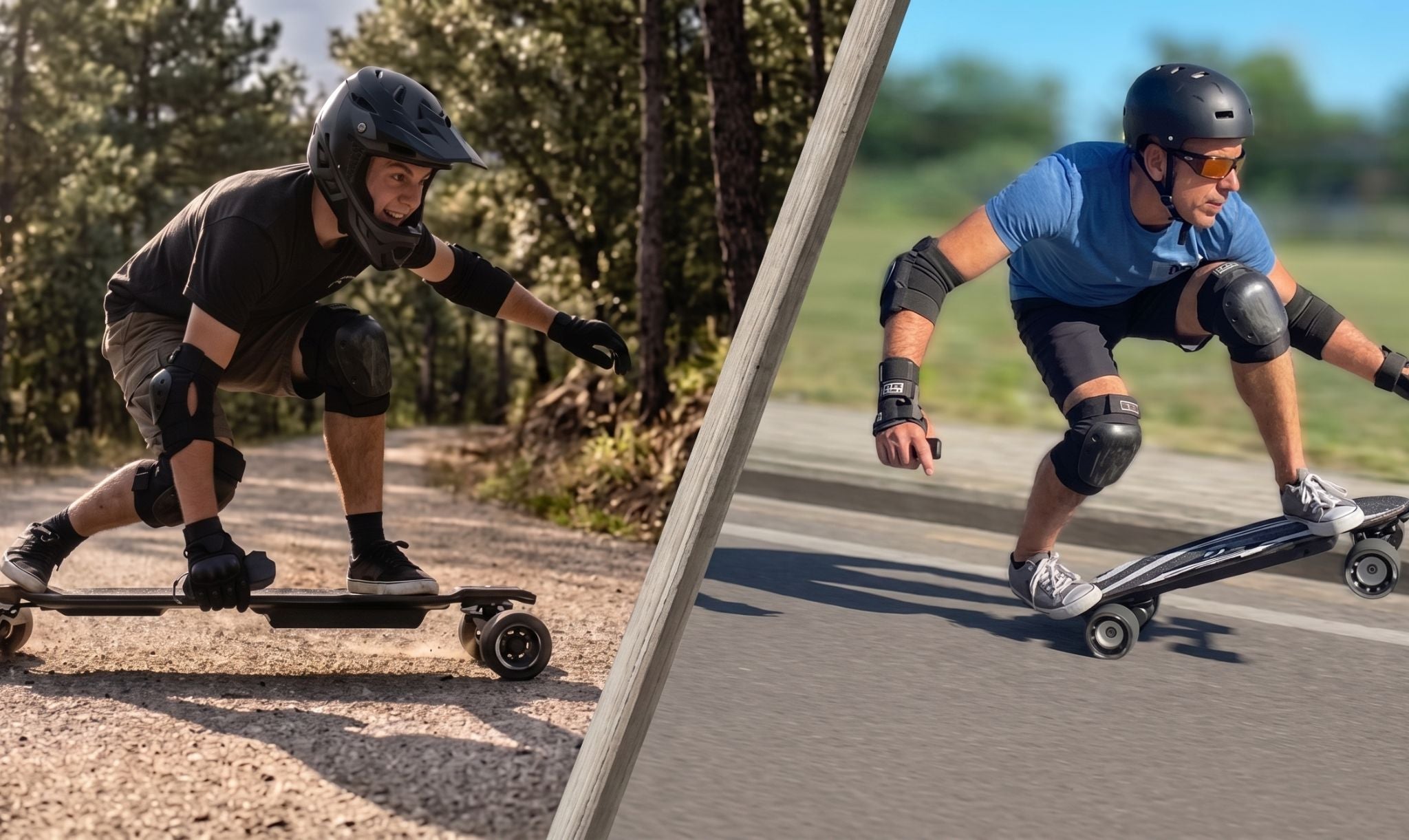
Electric longboards are larger electric skateboards designed for riders who want a smoother, more stable ride. Their longer deck and wheelbase usually provide more standing room, better balance, and more confidence at regular commuting speeds.
They are often the better fit for longer rides, rougher pavement, and riders who prioritize comfort over portability. While they can be less convenient to carry or store, many riders prefer them for their planted feel and more relaxed riding experience.

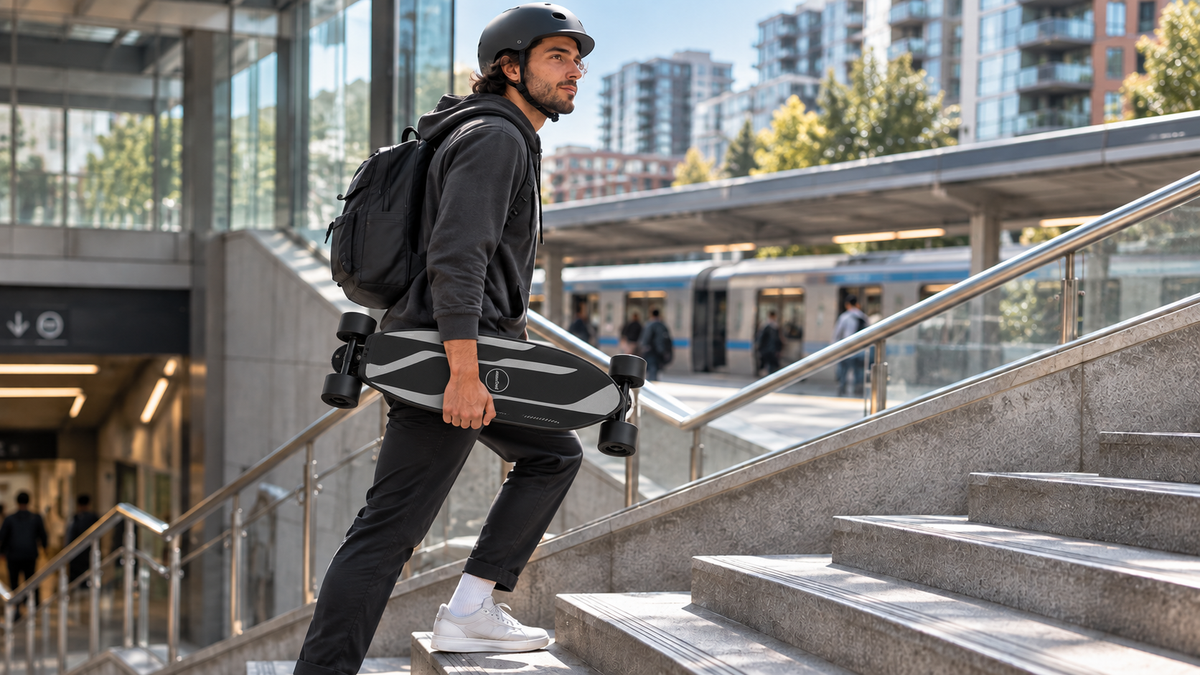
Electric mini skateboards are compact electric boards built for short urban trips and everyday convenience. Their smaller deck makes them easier to carry, easier to store, and easier to bring into classrooms, offices, shops, or public transit.
They are often a practical choice for riders who care most about portability and agility. The trade-off is that they usually offer less standing room and can feel less stable than longboards, especially on rough roads or over longer distances.

The table below gives a general comparison of how electric longboards and electric mini skateboards differ in ride feel, portability, and daily practicality.
|
Feature |
Electric Longboard |
Electric Mini Skateboard |
|
Typical Length |
36 to 42 inches |
27 to 32 inches |
|
Primary Strength |
Stability and ride comfort |
Portability and agility |
|
Turning Radius |
Wider |
Tighter and quicker |
|
Vibration Damping |
Usually better, especially with a flexible deck and longer wheelbase |
Usually lower, especially on stiffer decks |
|
Storage Needs |
Requires more space |
Easier to store under desks or in smaller spaces |
|
Best Use Case |
Longer commutes and riders who value stability |
Short city trips and riders who need to carry the board often |
For most riders, the biggest difference is how the board feels underfoot. Electric longboards usually feel more planted because of their longer wheelbase and larger standing platform. That extra space can make turning, balancing, and riding at moderate speed feel more controlled.
Mini electric skateboards often feel quicker and more responsive, which can be useful in tighter urban settings. However, they can also feel less forgiving, especially for riders who are new to electric skating or who ride on uneven pavement.

Portability is where electric mini skateboards usually have the clearest advantage. Their smaller size makes them easier to carry into buildings, place under a desk, or fit into a small apartment or dorm room.
Longboards are usually less convenient once the ride ends. Even when the weight difference is not dramatic, their larger shape makes them harder to carry for long periods and more awkward to store in tight spaces.
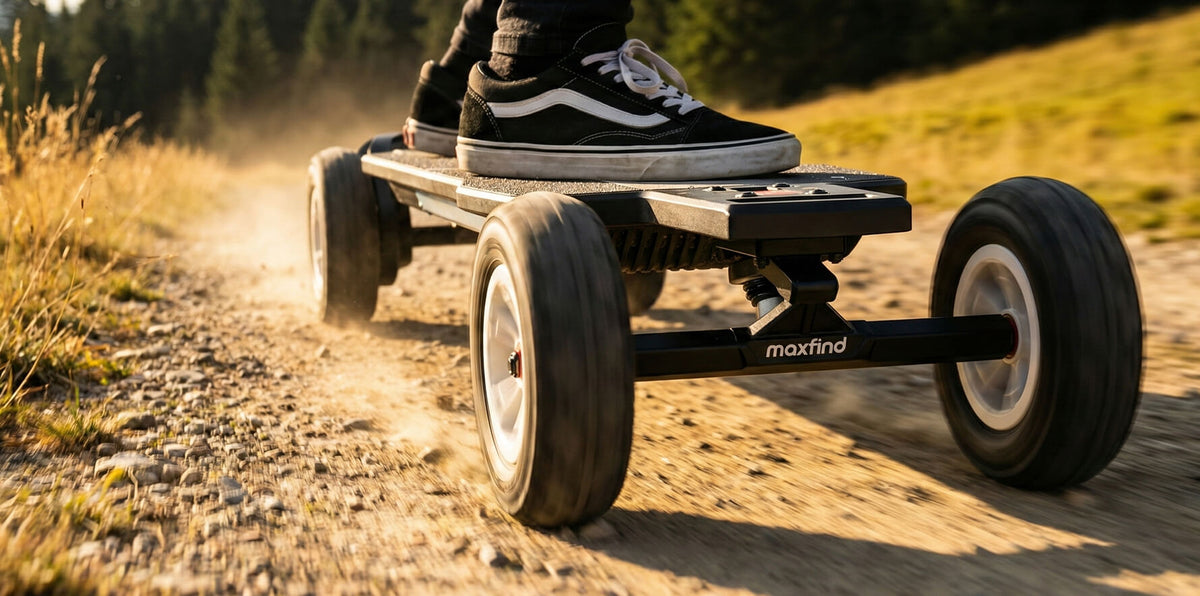
Ride comfort depends on more than deck length alone, but longboards usually handle rough pavement better. Their larger platform and longer wheelbase often create a smoother overall ride, especially when paired with the right wheels.
Mini boards can still work well on decent pavement, but they usually transmit more road feedback to the rider. On broken streets or longer routes, that difference often becomes more noticeable.
Longboards often have more room for larger battery setups, which can support longer rides. They also tend to feel more comfortable over distance, so they are often a better match for riders with longer daily commutes.
Mini boards are often more practical for short city trips and mixed travel routines. If a rider needs to carry the board between rides, portability may matter more than having extra range on paper.
Assess the roads you will ride every day. If you face rough pavement and potholes the large wheels and flexible deck of a longboard are essential. If you ride on smooth city tiles but have to dodge many people choose a mini board.

New riders often feel safer on a longboard because of the generous foot space. If you have previous experience with traditional skateboarding you will likely appreciate the responsiveness and the familiar feel of a mini board kicktail.
Consider where your board will sit when you are not riding it. A mini board can hide under a chair or sit in a coat closet without being noticed. A longboard requires a dedicated wall rack or a significant amount of floor space.
Regardless of the size you choose prioritize high quality batteries and motors. While mini boards are sometimes more affordable due to smaller deck materials the electronic components should always be professional grade to ensure safety and longevity.
For longer commutes and rougher pavement, an electric longboard is usually the better choice. For shorter city trips and riders who need to carry the board often, an electric mini skateboard is usually more practical.
Most beginners will feel more stable on an electric longboard because of the larger standing platform. A mini skateboard can feel more agile, but it usually demands better balance and more confidence.

An electric mini skateboard is easier to carry into offices, classrooms, and public transit. If portability matters most, the mini board usually wins.
Whether you choose a longboard for its smooth gliding capabilities or a mini board for its unparalleled convenience both options offer a revolutionary way to travel.For most buyers, route length, pavement quality, and portability matter more than marketing claims alone.
Think about your daily route and storage requirements to make the final call and join the growing community of electric riders.If you are comparing options on Maxfind, it helps to look at longboard and mini skateboard models separately based on your daily use case.
Longboards often have more physical space for larger battery packs which can result in a longer range per charge. However many modern mini boards now feature swappable battery systems to help compensate for their smaller size.
Neither board should be considered safe for riding in the rain. Wet pavement reduces traction, increases braking distance, and raises the risk of slipping, regardless of board type. If roads are damp, riders should slow down, avoid sharp turns and sudden braking, and check the manufacturer’s guidance on water resistance before riding.
While they look like traditional skateboards the added weight of the motor and battery makes advanced flip tricks very difficult. You can still use the kicktail for basic maneuvers like kick turns and manualing over small cracks.
In many cases yes as long as the motor configuration allows for it. Many riders put larger wheels on their mini boards to improve the ride quality though this may require adding risers to prevent wheel bite during sharp turns.
More Reading: The Ultimate Beginner’s Guide to Buying an Electric Skateboard
Share:
How to Choose the Right Electric Skateboard Deck?
Best Electric Longboard for a Smooth Ride: Ultimate Comfort Guide