

Offerte del Black Friday. Il prezzo più basso dell’anno 🏷️
Uno skateboard elettrico può ridurre i tempi di spostamento tra dormitori, parcheggi, aule e appartamenti vicini. La tavola migliore per il campus non è semplicemente il modello più veloce. Peso, controllo a bassa velocità, autonomia effettiva, tipo di pavimentazione, opzioni di deposito, disponibilità regionale e regole del college incidono tutti sulla scelta finale.
Prima di confrontare motori o batterie, verifica che uno skateboard elettrico sia pratico nel tuo istituto. Le politiche del campus possono disciplinare separatamente la circolazione all’aperto, il possesso al chiuso, la registrazione, il parcheggio, il deposito e la ricarica.
Consulta le pagine del tuo college dedicate a trasporti, parcheggi, sicurezza pubblica, alloggi e sicurezza antincendio, invece di affidarti alle regole per gli skateboard tradizionali. Una tavola a batteria può essere classificata come veicolo elettrico personale o dispositivo per la micromobilità e limitata a strade, percorsi o aree di parcheggio designati. La politica di Princeton, entrata in vigore nel giugno 2024, vieta l’uso, il deposito, il parcheggio e la ricarica di skateboard elettrici e motorizzati all’interno della zona soggetta a restrizioni.
Il permesso di circolare all’aperto non significa automaticamente che una tavola possa entrare in aule, biblioteche, mense, uffici o strutture sportive. Princeton vieta di parcheggiare, custodire o ricaricare veicoli elettrici personali all’interno degli edifici accademici, amministrativi e sportivi gestiti dall’università; Rowan consente l’uso in campus di dispositivi coperti da specifiche condizioni, ma ne vieta l’ingresso negli edifici accademici, amministrativi e sportivi. Chi intende tenere una tavola accanto a sé durante le lezioni dovrebbe verificare se sia consentito portarla all’interno prima di acquistarla.
Le regole dei residence possono differire dalle norme generali degli edifici, perché le università spesso impongono ulteriori restrizioni sulle batterie agli ioni di litio e sulle vie di evacuazione. Rowan limita la ricarica alle camere dei residence, vieta le prolunghe e non consente di riporre veicoli elettrici personali nelle aree comuni, nei corridoi o sulle scale; altri istituti potrebbero vietarne del tutto la custodia al chiuso. Prima di presumere che una tavola possa restare in un dormitorio, verifica la presenza di rastrelliere esterne autorizzate, parcheggi designati per la micromobilità, aree di ricarica esterne o soluzioni di deposito fuori dal campus.
Alcune università richiedono che gli skateboard elettrici siano registrati prima di poter essere usati, parcheggiati o riposti nel campus. La UNH include esplicitamente gli skateboard elettrici nei propri requisiti di registrazione per la micromobilità, mentre la Rowan richiede che i veicoli elettrici personali idonei espongano un’etichetta di registrazione e rispettino le regole del campus relative a pedoni, strisce pedonali, illuminazione e flusso del traffico. Verifica anche gli obblighi relativi al casco, le leggi locali, i percorsi consentiti e i limiti di velocità del campus, perché la velocità massima dichiarata non prevale sulle regole dell’università.
L’uso nel campus comporta frequenti brevi spostamenti, percorsi affollati, scale, poco spazio per riporre la tavola e continui passaggi dalla guida al trasporto a mano. Queste condizioni cambiano quali specifiche del prodotto sono più importanti.
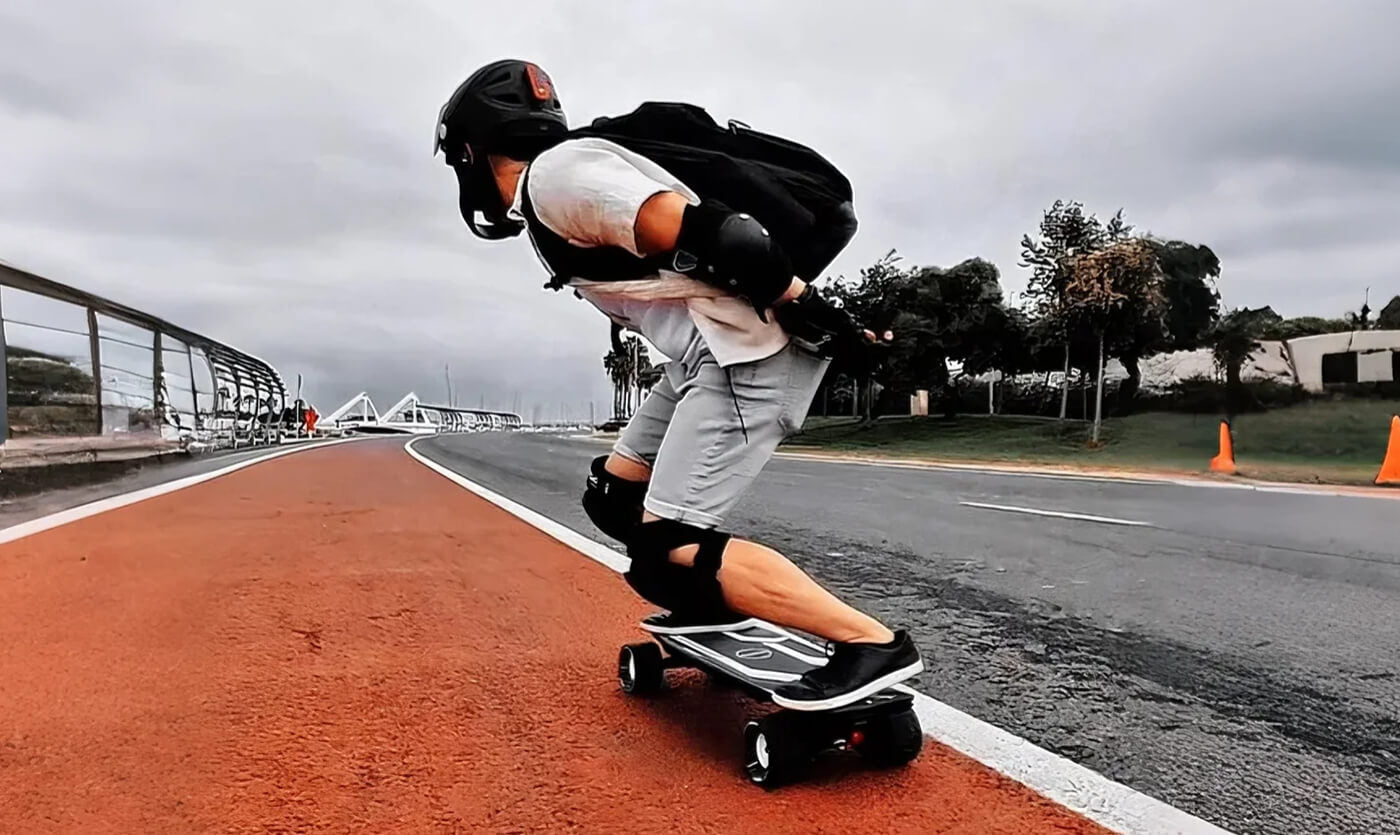
Il peso diventa importante ogni volta che è vietato usare la tavola. Una tavola più leggera è più facile da gestire sulle scale, sugli autobus, sui passaggi affollati e nei lunghi percorsi al chiuso, mentre una longboard a grandezza naturale offre più spazio per stare in piedi, ma può risultare scomoda per chi passa spesso dalla guida al trasporto a mano.
Un’accelerazione fluida e una frenata prevedibile sono più importanti della velocità massima estrema in un campus. I percorsi condivisi possono essere frequentati da pedoni e biciclette e includere strisce pedonali, curve cieche e veicoli di servizio; gli studenti dovrebbero quindi cercare modalità di guida regolabili e una risposta controllata del telecomando, rallentando fino alla velocità di camminata o scendendo dalla tavola quando un’area è affollata.
Calcola la distanza totale dal luogo in cui abiti o dal parcheggio fino alle lezioni, tra un edificio e l’altro e per il ritorno, includendo gli spostamenti verso mense, biblioteche, palestre, negozi o alloggi fuori dal campus. Tieni una riserva di batteria invece di basarti sull’intera autonomia dichiarata dal produttore; se uno studente percorre solo pochi chilometri al giorno, può essere più utile una tavola più leggera che una batteria più capiente per le lunghe distanze.
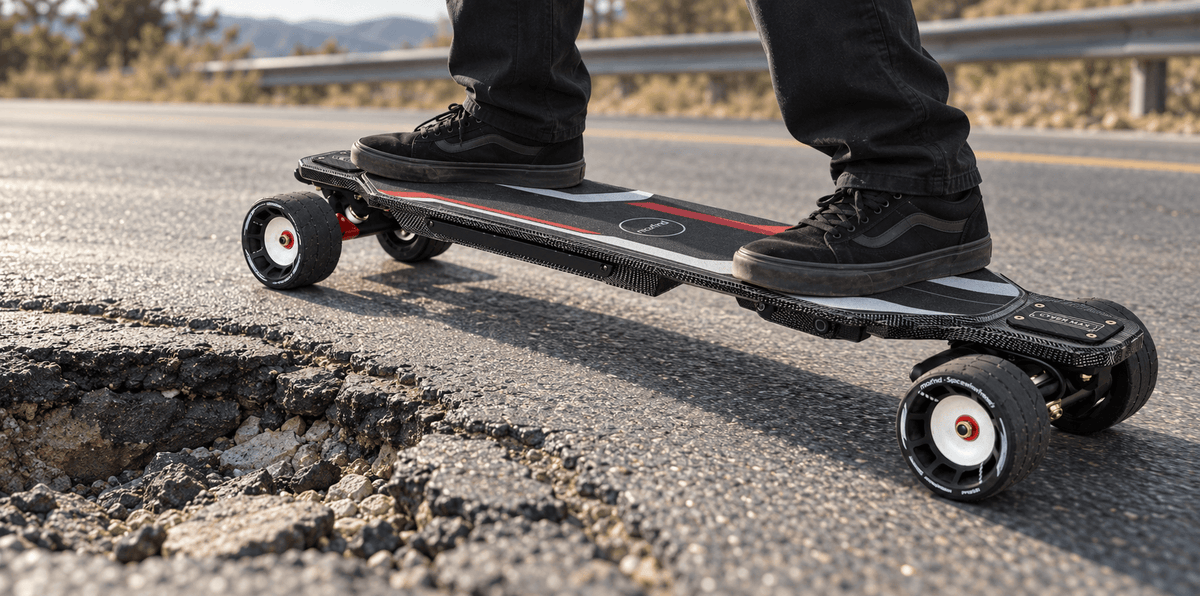
Le ruote standard in poliuretano sono adatte all’asfalto e al cemento ben tenuti, ma i percorsi in mattoni, le giunzioni rialzate, le crepe, i detriti sciolti e le pavimentazioni danneggiate possono rendere meno confortevoli le ruote più piccole. In genere, le ruote più grandi offrono più luce libera e assorbono meglio le vibrazioni, ma aumentano anche il peso; inoltre, i percorsi più collinari richiedono di più al motore, alla batteria e ai freni.
Una tavola compatta è più facile da sistemare in un veicolo, nell’ingresso di un appartamento o in un’area di deposito autorizzata, mentre una tavola a grandezza naturale offre più spazio per posizionare i piedi, ma richiede più spazio sotto una scrivania o accanto a una parete. Una mini tavola non è automaticamente esente dalle norme antincendio del campus, perché la maggior parte delle regole riguarda il dispositivo alimentato a batteria, non le sue dimensioni.
Il MAX2 PRO è la scelta più pratica in generale per gli studenti che hanno bisogno di una tavola compatta per percorsi più brevi nel campus. Gli acquirenti statunitensi dovrebbero valutare la configurazione con motore singolo, anziché basarsi sulle specifiche delle versioni X e con doppio motore, disponibili solo in Canada.

La famiglia MAX2 PRO monta una tavola da 79 × 27 cm, ruote da 90 mm, un controller Hobbywing V5.0 FOC, un telecomando OLED con quattro modalità di regolazione e un tempo di ricarica indicato di due ore. La versione con motore singolo indicata per gli Stati Uniti ha un'autonomia dichiarata fino a 24 km e una velocità massima di 32 km/h, mentre Maxfind indica per la famiglia MAX2 PRO un peso di 6,6 kg senza specificare il peso delle singole configurazioni. La tavola corta e il peso dichiarato relativamente ridotto la rendono più facile da trasportare tra gli edifici rispetto a uno skateboard elettrico longboard a grandezza naturale.
La tavola più corta offre meno spazio per i piedi rispetto al MAX5S da 97 cm e le ruote da 90 mm sono più adatte a pavimentazioni in buono stato che a percorsi dissestati. Anche la disponibilità regionale è un limite importante: il selettore del prodotto attuale indica la versione con motore singolo per Stati Uniti e Canada, mentre le versioni con doppio motore e X Series da 34 km sono indicate come disponibili solo in Canada; gli acquirenti dovrebbero quindi verificare la configurazione esatta prima di confrontare autonomia, velocità o prezzo.
Il MAX5S rinuncia alla portabilità in favore di una piattaforma di guida più lunga e larga. È più adatto ai principianti che preferiscono più spazio per i piedi e un controllo regolabile rispetto al peso minimo da trasportare.

Il MAX5S monta una tavola composita da 97 × 28 cm, doppi motori nel mozzo da 650 W, ruote da 90 mm, un controller Hobbywing V6.0 FOC e quattro modalità di guida. Maxfind dichiara un'autonomia fino a 24 km e una velocità massima di 39 km/h, con un tempo di ricarica indicato di due ore; la tavola concava a U e il vano per i piedi da 7 mm offrono più spazio per assumere una posizione stabile. L'app mobile consente inoltre di regolare velocità, coppia e risposta dei freni, permettendo ai principianti di iniziare con impostazioni più graduali prima di aumentare la reattività.
Con i suoi 9,3 kg e 97 cm di lunghezza, il MAX5S è decisamente meno pratico da trasportare rispetto al MAX2 PRO o al CYBER MINI standard. Richiede inoltre più spazio per essere riposto in un veicolo, appartamento, dormitorio o parcheggio universitario autorizzato, perciò gli studenti che devono salire diverse rampe di scale, usare mezzi pubblici affollati o trasportare la tavola attraverso edifici molto grandi dovrebbero valutare questo inconveniente rispetto alla piattaforma di guida più ampia e stabile.
La linea CYBER MINI offre più opzioni di configurazione rispetto alle altre tavole consigliate. La gamma va dalla leggera versione AIR alle opzioni con trasmissione a cinghia a lunga autonomia e ruote più grandi.

Il modello CYBER MINI standard misura circa 32,9 pollici di lunghezza, pesa 16 libbre, monta due motori hub da 650 W e ruote da 90 mm e ha un’autonomia dichiarata fino a 15 miglia e una velocità massima di 28 mph, con un tempo di ricarica di circa due ore. Le dimensioni compatte lo rendono più facile da gestire rispetto a un longboard di dimensioni standard, anche se le prestazioni massime superano quelle necessarie sulla maggior parte dei percorsi universitari; gli studenti dovrebbero quindi usare modalità di guida più lente nelle zone molto frequentate dai pedoni.
Il nome CYBER MINI comprende quattro configurazioni sostanzialmente diverse: la AIR pesa 12,4 libbre e ha un’autonomia dichiarata fino a 9 miglia, il modello standard pesa 16 libbre e ha un’autonomia dichiarata di 15 miglia, la PRO pesa 18,7 libbre e ha un’autonomia dichiarata di 31 miglia, mentre la X pesa 20,3 libbre e ha un’autonomia dichiarata di 34 miglia. Le versioni PRO e X utilizzano inoltre ruote Space Wheels da 107 mm e hanno un tempo di ricarica indicato di tre ore, mentre le versioni AIR e standard montano ruote da 90 mm e si ricaricano in circa due ore. Gli studenti devono quindi confrontare il modello esatto, anziché applicare i dati della versione X all’intera gamma.
La tabella seguente confronta configurazioni specifiche adatte agli studenti statunitensi, anziché combinare i valori massimi di ciascuna famiglia di prodotti.
|
Caratteristica |
MAX2 PRO Single Motor |
MAX5S |
CYBER MINI standard |
|
Ideale per gli spostamenti nel campus |
Trasporto quotidiano compatto |
Stabilità per principianti |
Prestazioni compatte |
|
Lunghezza della tavola |
31 in |
38 in |
32,87 in |
|
Peso indicato |
14,5 lb per la famiglia MAX2 PRO |
20,5 lb |
16 lb |
|
Autonomia dichiarata |
Fino a 15 miglia |
Fino a 15 miglia |
Fino a 15 miglia |
|
Velocità massima dichiarata |
Fino a 20 mph |
Fino a 24 mph |
Fino a 28 mph |
|
Ruote |
PU da 90 mm |
PU da 90 mm |
PU da 90 mm |
|
Tempo di ricarica indicato |
Circa 2 ore |
Circa 2 ore |
Circa 2 ore |
|
Compromesso principale |
Meno spazio per i piedi |
Più difficile da trasportare |
Prestazioni superiori potrebbero non essere necessarie |
La tabella delle specifiche MAX2 PRO di Maxfind indica un peso di 14,5 libbre per la famiglia, ma non specifica i pesi delle configurazioni Single Motor, Dual Motor e X. L’autonomia e le prestazioni effettive di tutte e tre le tavole possono variare in base al peso del rider, alla velocità, alla temperatura, alle salite, alla frequenza delle accelerazioni, al tipo di pavimentazione e alle condizioni della batteria.
Il modello più adatto dipende dalla distanza giornaliera, dalla qualità della pavimentazione, dal dislivello, dalla disponibilità nella propria zona e da quanto spesso occorre trasportare lo skateboard.
Per gli spostamenti brevi su pavimentazione ben tenuta, dai la priorità a un peso gestibile e a una guida controllata a bassa velocità. MAX2 PRO Single Motor, disponibile negli Stati Uniti, è una scelta pratica perché abbina una tavola compatta da 31 pollici a un’autonomia dichiarata fino a 15 miglia; per tragitti molto brevi, gli studenti possono valutare CYBER MINI AIR, da 12,4 libbre, purché le sue 9 miglia di autonomia lascino comunque una riserva di batteria sufficiente.
Per gli studenti negli Stati Uniti il cui tragitto giornaliero supera l’autonomia pratica di uno skateboard da 15 miglia, CYBER MINI PRO è l’opzione a maggiore autonomia più pertinente, con un’autonomia dichiarata fino a 31 miglia; tuttavia, il peso di 18,7 libbre e le tre ore di ricarica indicate lo rendono meno comodo da trasportare. Gli studenti in Canada possono anche valutare MAX2 PRO X, con un’autonomia di 21 miglia, ma al momento Maxfind indica quella versione solo per il Canada e non pubblica il peso specifico della versione X.
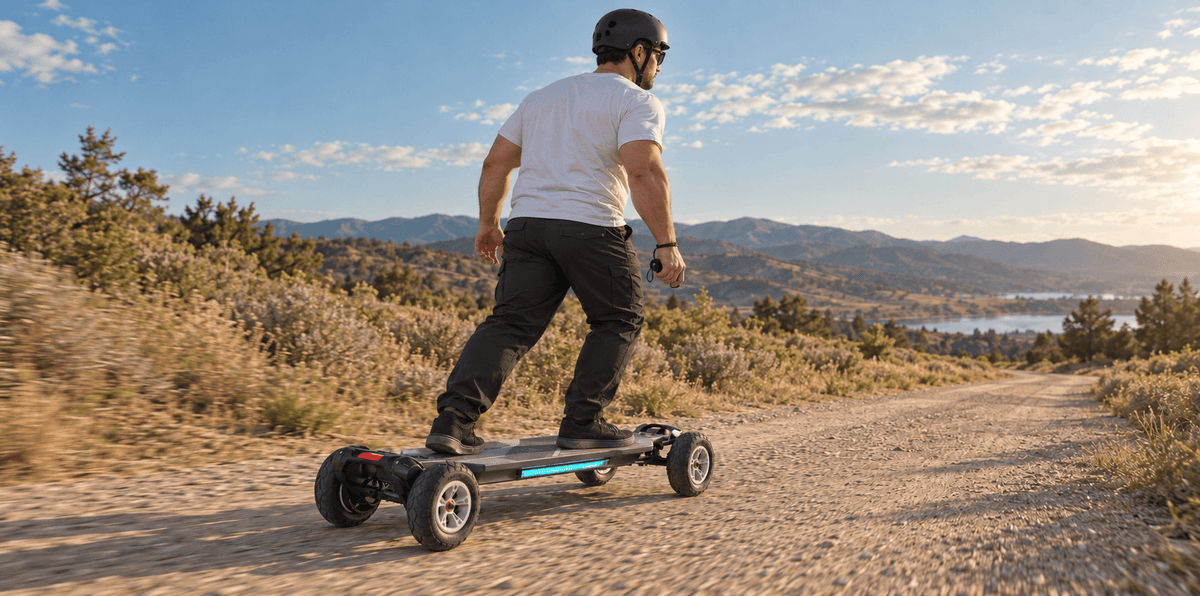
CYBER MINI PRO e X sono le configurazioni più adatte ai percorsi impegnativi perché utilizzano motori a cinghia e ruote Space da 107 mm, che offrono più potenza e maggiore altezza da terra rispetto alle versioni AIR o standard con motore nel mozzo. Queste caratteristiche non eliminano i rischi dell’asfalto danneggiato: buche profonde, ghiaia, foglie bagnate, cantieri o percorsi affollati in discesa possono comunque richiedere di rallentare o scendere dallo skateboard.
Calcola l’intero percorso da casa al campus, gli spostamenti tra le lezioni, le commissioni e il viaggio di ritorno, invece di considerare solo la distanza percorsa all’interno dell’università. Uno skateboard con un’autonomia di 15 miglia può essere adatto a chi vive in un appartamento vicino, mentre un tragitto più lungo potrebbe giustificare l’autonomia dichiarata di 31 miglia del CYBER MINI PRO; tuttavia, il suo peso maggiore potrebbe risultare scomodo una volta arrivati, soprattutto se la scuola non consente di riporlo o ricaricarlo al chiuso.
MAXFIND MAX2 PRO è la scelta ideale per gli studenti che danno la priorità alla portabilità, mentre MAX5S offre maggiore stabilità ai principianti e CYBER MINI è adatto a percorsi più lunghi o impegnativi. Qualunque modello tu scelga, verifica le regole del campus prima di usare, riporre o ricaricare uno skateboard elettrico MAXFIND.
Altre letture:Gli skateboard elettrici sono legali nella tua zona? Normative e linee guida
Condividi:
Skateboard elettrici con pneumatici: scegliere ruote AT per ridurre le sollecitazioni alle ginocchia e l’affaticamento delle gambe nei lunghi tragitti
Sicurezza e affidabilità per gli spostamenti quotidiani con Maxfind: come valutare i mezzi adatti alla pioggia