

Promozione per il ritorno a scuola! 🏷️ Ottimo rapporto qualità-prezzo!
--
Giorni--
Orari--
Minuti--
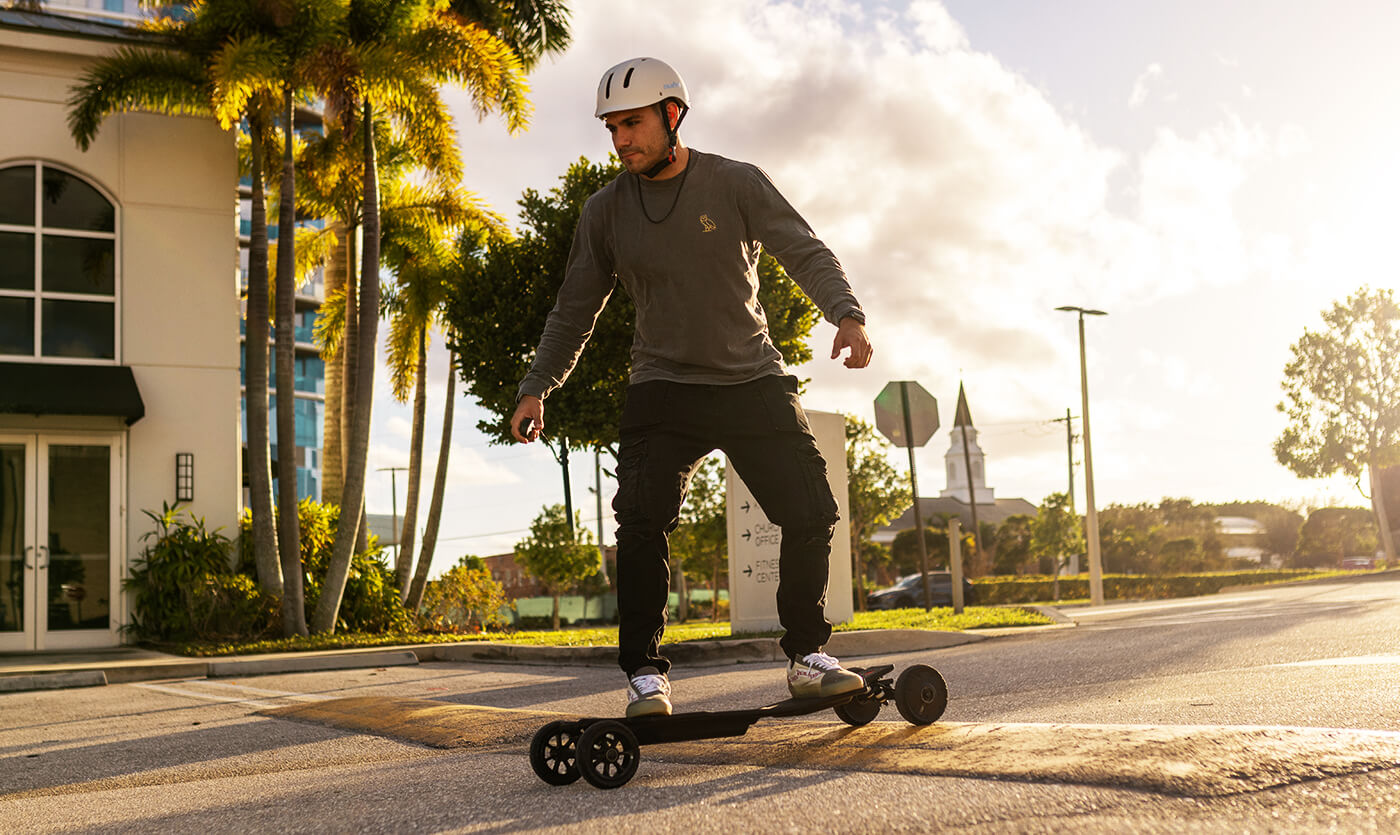
SecondiMuoversi nella giungla di cemento su uno skateboard elettrico offre libertà e velocità. Tuttavia, l’ambiente urbano presenta sfide uniche che richiedono competenze specifiche e un’attenta preparazione. Questa guida illustra tutto ciò che devi sapere per padroneggiare le strade cittadine in sicurezza, trasformando al contempo il tuo tragitto quotidiano in un momento speciale della giornata.

Indossa sempre l’equipaggiamento protettivo prima di ogni uscita. Un casco certificato, protezioni per i polsi e ginocchiere sono gli elementi essenziali equipaggiamento protettivo per ridurre al minimo il rischio di lesioni sulle strade cittadine. Fissa le luci al casco o alla parte inferiore della tavola, così che gli automobilisti possano vederti in condizioni di scarsa illuminazione o tra le ombre profonde proiettate dagli alti edifici cittadini. Le strisce riflettenti sugli abiti o sulla borsa aggiungono un ulteriore livello di protezione senza costi aggiuntivi.
Esegui questi controlli prima di ogni uscita:
Ruotedai a ciascuna una tirata decisa per verificare che nulla si sia allentato a causa delle vibrazioni
Batteria e truckispeziona visivamente l’alloggiamento della batteria e la ferramenta dei truck per individuare viti allentate o crepe
Acceleratore e freniverifica la risposta del controller per assicurarti un controllo completo e prevedibile dal momento in cui inizi a spingerti

Mantieni una postura flessibile, con le ginocchia leggermente piegate per fungere da ammortizzatori naturali. Questo ti consente di spostare istantaneamente il baricentro quando devi schivare un ostacolo improvviso o un pedone che scende dal marciapiede.
Conoscere l’intervallo di velocità della tavola è il primo passo per guidare in sicurezza nel traffico. In città, mantieni una velocità di crociera tra 15 e 20 km/h (9–12 mph) sulle strade aperte e scendi a 8–10 km/h (5–6 mph) in prossimità di incroci, attraversamenti pedonali e aree affollate.
Esercitati ad applicare gradualmente la pressione sul telecomando per skateboard elettrico grilletto del freno per evitare di sbandare o di essere sbalzato in avanti da una decelerazione improvvisa nel traffico intenso. Inizia sempre a frenare prima di quanto pensi sia necessario: le superfici cittadine aumentano la distanza di arresto.
I sistemi elettronici possono occasionalmente subire interferenze o scaricarsi, lasciando il telecomando senza risposta all’improvviso. Quando accade, trascina la pianta del piede posteriore sull’asfalto per fermare la tavola in modo controllato, quindi spostati in un’area sicura prima di verificare eventuali problemi di connessione. Questa abilità va praticata regolarmente, non riservata alle emergenze.
Usare uno skateboard elettrico in un ambiente trafficato richiede un approccio proattivo alla sicurezza e al posizionamento.
|
Strategia |
Applicazione |
Vantaggio |
|
Posizionamento nella corsia |
Occupa il centro della corsia ciclabile o il lato destro della carreggiata |
Impedisce alle auto di passarti troppo vicino negli spazi stretti |
|
Comunicazione attiva |
Usa segnali manuali chiari e stabilisci un contatto visivo con i conducenti |
Elimina l’elemento sorpresa per gli altri utenti della strada |
|
Consapevolezza difensiva |
Mantieniti ad almeno la larghezza di una portiera dalle auto parcheggiate |
Elimina il rischio di essere colpiti da un conducente che esce dall’auto |
Oltre a quanto riportato nella tabella, due situazioni meritano particolare attenzione. Agli incroci, un semplice cenno o gesto della mano conferma che il conducente ti ha visto prima che tu proceda con la svolta: non dare mai nulla per scontato. Quando aspetti al semaforo rosso, posizionati davanti nella corsia ciclabile, tieni un piede leggermente a terra per maggiore stabilità e accelera dolcemente quando scatta il verde, invece di partire a piena potenza.
Per pianificare il percorso, una strada leggermente più lunga ma con una migliore qualità del manto stradale è spesso più rapida di un percorso diretto pieno di crepe e semafori. Mantieni una traiettoria costante invece di zigzagare tra le auto, così gli automobilisti possono prevedere i tuoi movimenti e lasciarti lo spazio necessario.
Quando incontri dislivelli verticali come i binari del tram, attraversali con un angolo di 45 gradi per evitare un arresto improvviso. Chi affronta spesso superfici urbane irregolari potrebbe anche valutare di passare a ruote per skateboard elettrico con ruote cloud più grandi, che superano buche e crepe con molti meno contraccolpi.
I chiusini e la segnaletica stradale verniciata diventano incredibilmente scivolosi quando sono umidi. Mantieni la tavola dritta ed evita svolte brusche o frenate improvvise finché non torni su una superficie asciutta.
Dopo il tramonto, riduci la velocità di almeno il 20% rispetto all’andatura diurna e affidati a una luce anteriore sulla tavola e a una lampada frontale montata sul casco per individuare tempestivamente i pericoli. Evita le strade poco illuminate, dove buche e detriti sono difficili da vedere in tempo.
Se devi usare un marciapiede, rallenta fino a non superare un’andatura sostenuta a piedi e dai sempre la precedenza ai pedoni. Questa abitudine contribuisce a mantenere una reputazione positiva per la comunità degli skater negli spazi urbani.

Usare una maniglia per il trasporto o una piccola presa — afferrando la tavola per l’asse del truck con il deck rivolto verso l’esterno — facilita il trasporto della tavola in un bar o in ufficio senza ostruire corridoi o porte strette.
Mantieni una velocità di crociera costante e usa la frenata rigenerativa nei tratti in discesa per aumentare l’autonomia e ridurre l’usura. Se usi la tavola ogni giorno per andare al lavoro, assicurati che la tua batterie degli skateboard elettrici e i caricabatterie siano in buone condizioni, ricarica la batteria dopo ogni tragitto ed evita di lasciarla scendere sotto il 20% per preservare la durata delle celle.
Bastano pochi minuti dopo ogni tragitto:
Pulisci la tavola: usa un panno umido per rimuovere sporco urbano, sale stradale e detriti dal deck e dai componenti
Controlla le ruote: fai girare ciascuna ruota per verificare che i cuscinetti funzionino senza problemi e che non vi sia una resistenza insolita
Controlla i truck: stringi le viti che potrebbero essersi allentate durante il tragitto
Padroneggiare la guida in città trasforma gli spostamenti urbani in una parte efficiente e piacevole della routine quotidiana. Abbinando l’attrezzatura giusta ad abitudini di guida prudente, una pianificazione intelligente del percorso e solide competenze tecniche, puoi spostarti rapidamente mantenendo al sicuro te stesso e chi ti circonda. Se stai ancora cercando quello giusto skateboard elettrico per i tuoi spostamenti, esplora l’intera gamma di Maxfind per trovare un modello adatto al tuo percorso e al tuo stile di guida.
Nella maggior parte delle città, le tavole elettriche sono trattate in modo simile alle biciclette e sono invitate a utilizzare le piste ciclabili dedicate quando disponibili. Controlla sempre le normative locali, poiché le regole variano a seconda della città e dello Stato.
Usa la frenata rigenerativa per mantenere una velocità controllata, mantieni il peso centrato sulla tavola e resisti alla tentazione di spostarlo all’indietro, poiché ciò può causare instabilità sui tratti in forte pendenza.
Percorrere il marciapiede dovrebbe essere l’ultima risorsa. Se la strada non sembra sicura, spesso è meglio scendere e camminare portando la tavola finché non trovi una via più tranquilla o un percorso apposito.
Ricarica la batteria dopo ogni tragitto significativo ed evita di scaricarla regolarmente sotto il 20%, poiché nel tempo i cicli di scarica profonda riducono la capacità complessiva e la durata delle celle.
Approfondimenti: Miglior longboard elettrico per una guida fluida

Condividi:
Tecnologia delle tavole per skateboard elettrici: alla scoperta della tavola composita Xcomposite™ di MAXFIND
Recensione dell’uso dello skateboard elettrico fuoristrada: CYBER ULTRA su strade sconnesse e in salita