




Häufig gestellte Fragen
1. Was machen der Motor und die Achsen bei einem Elektro-Skateboard?
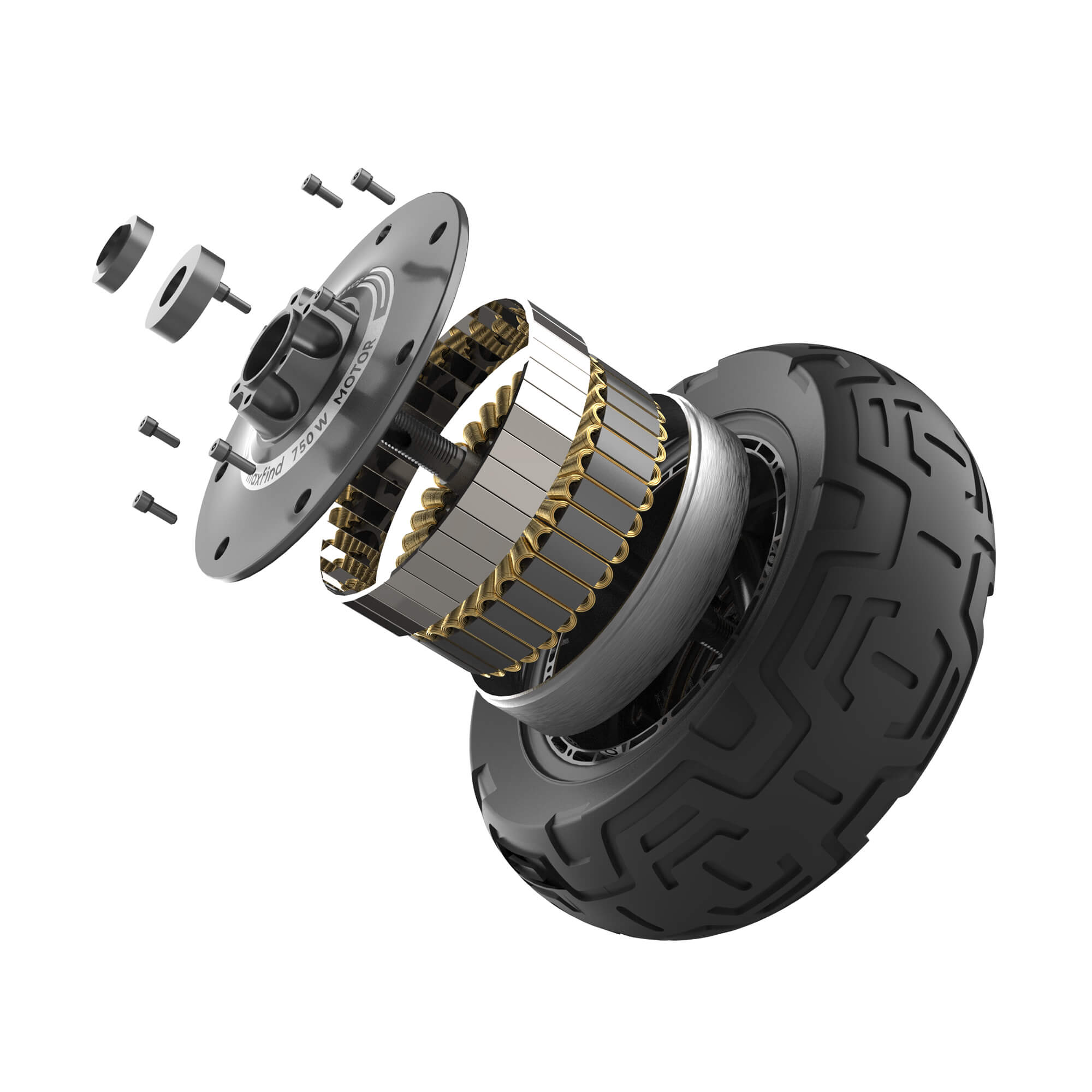
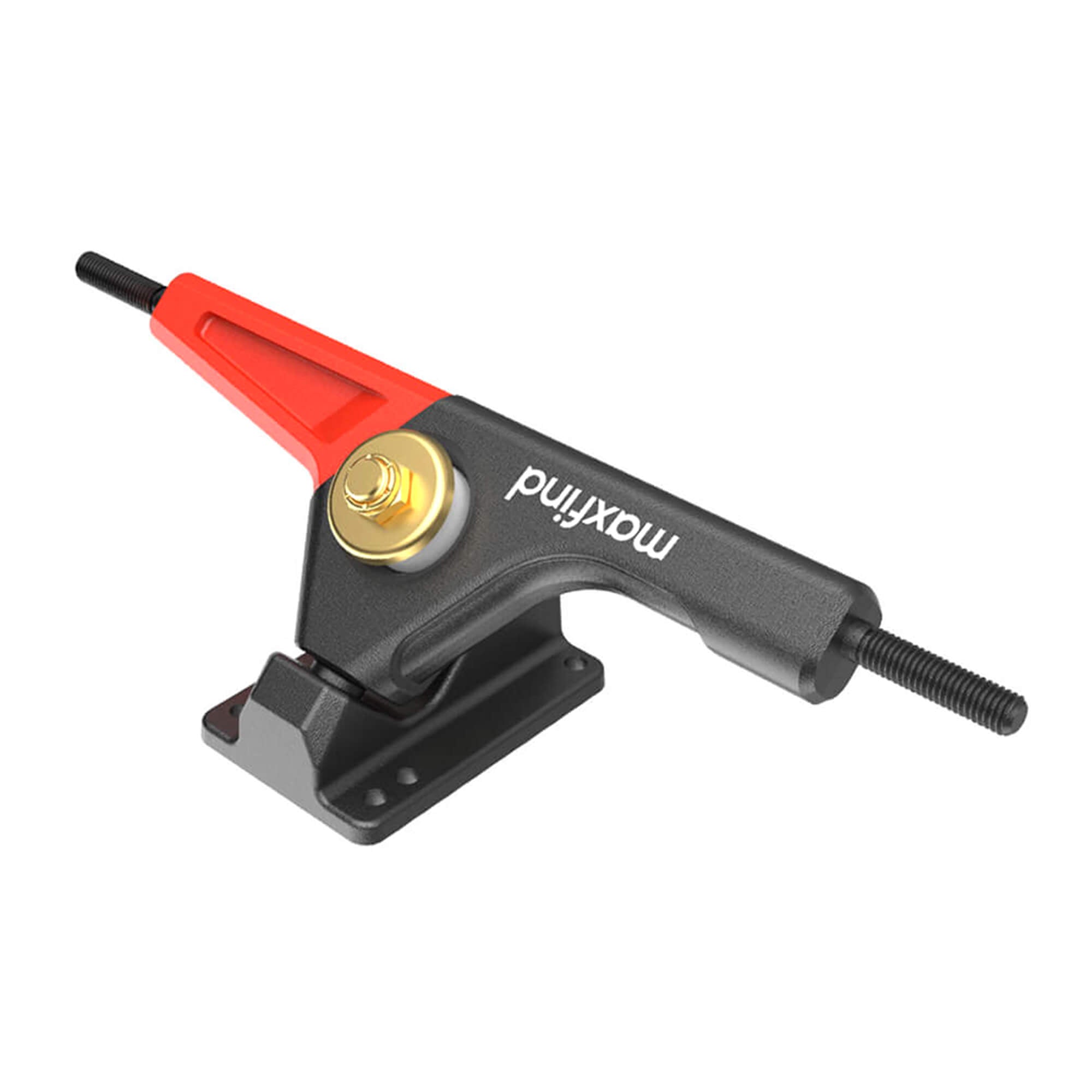
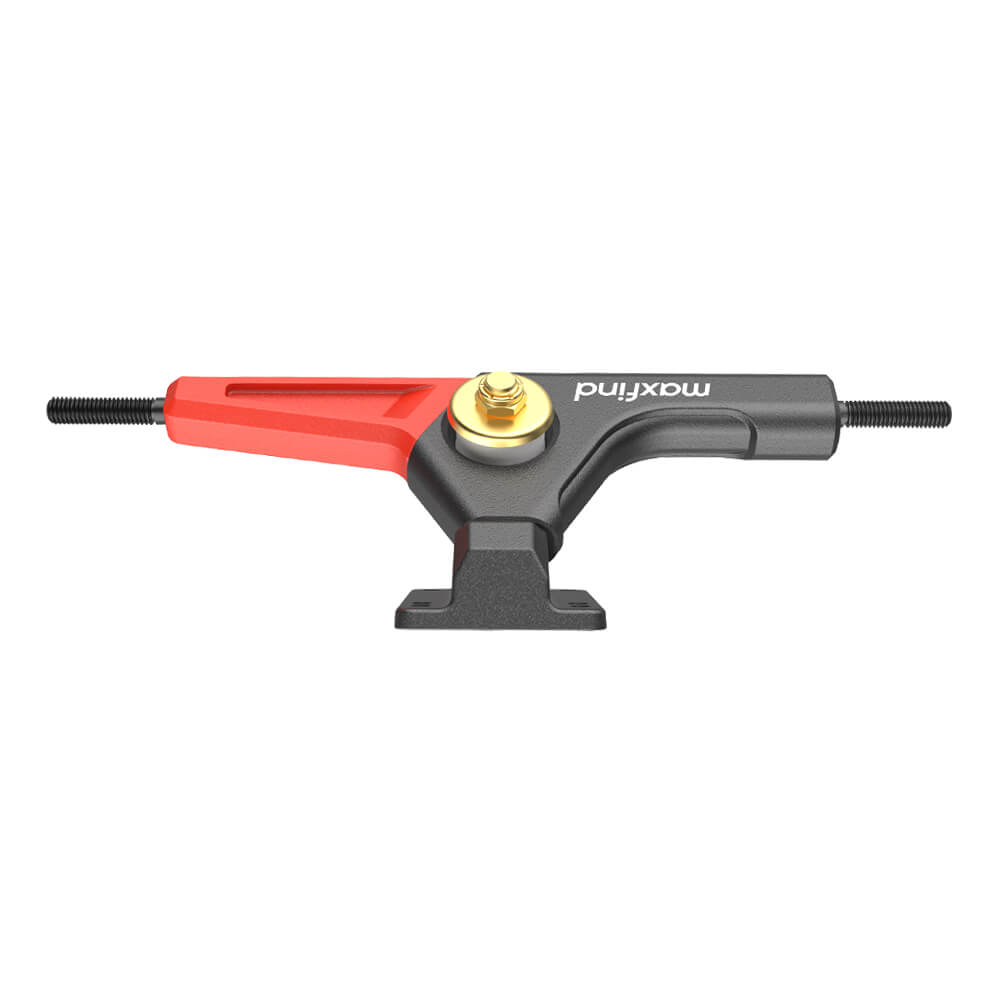
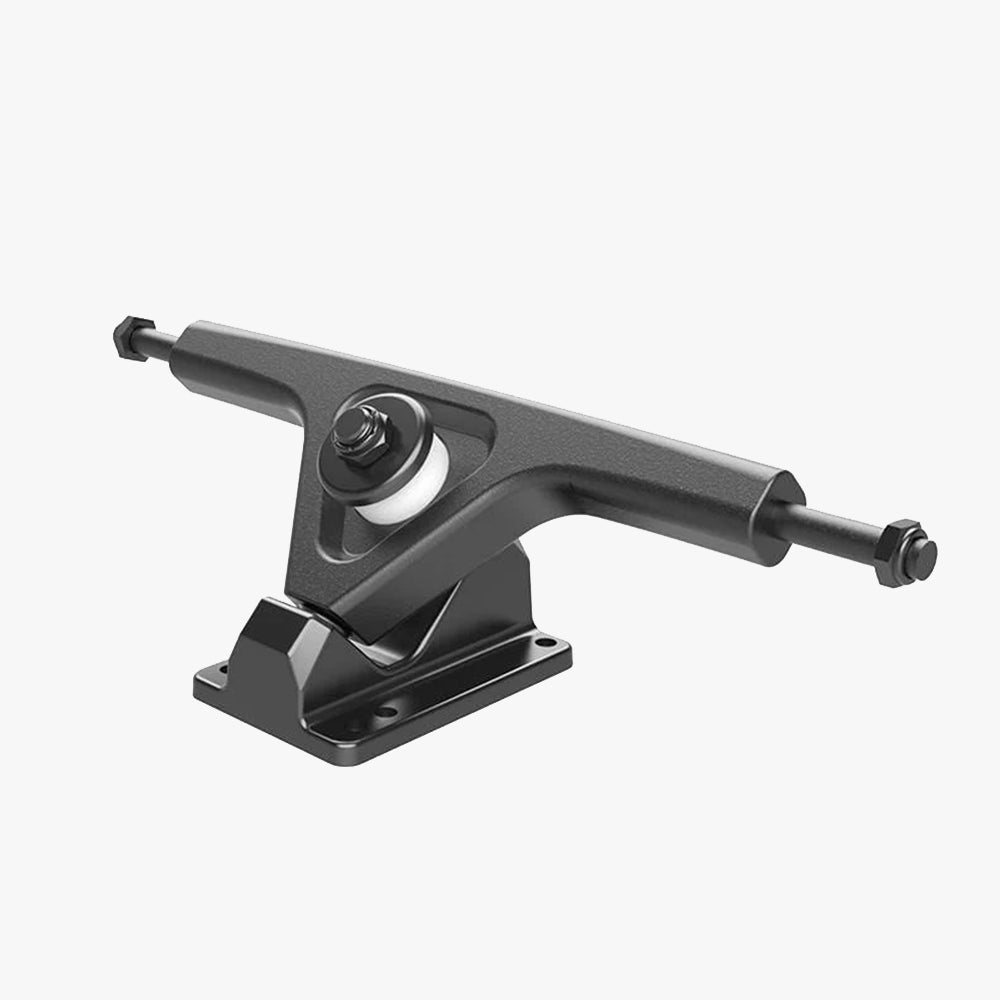
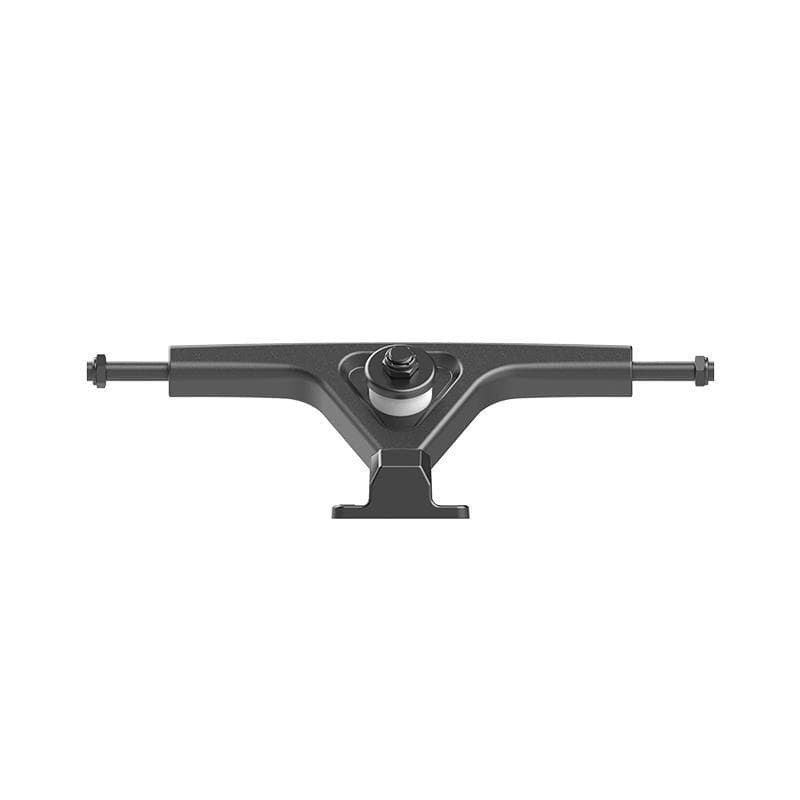
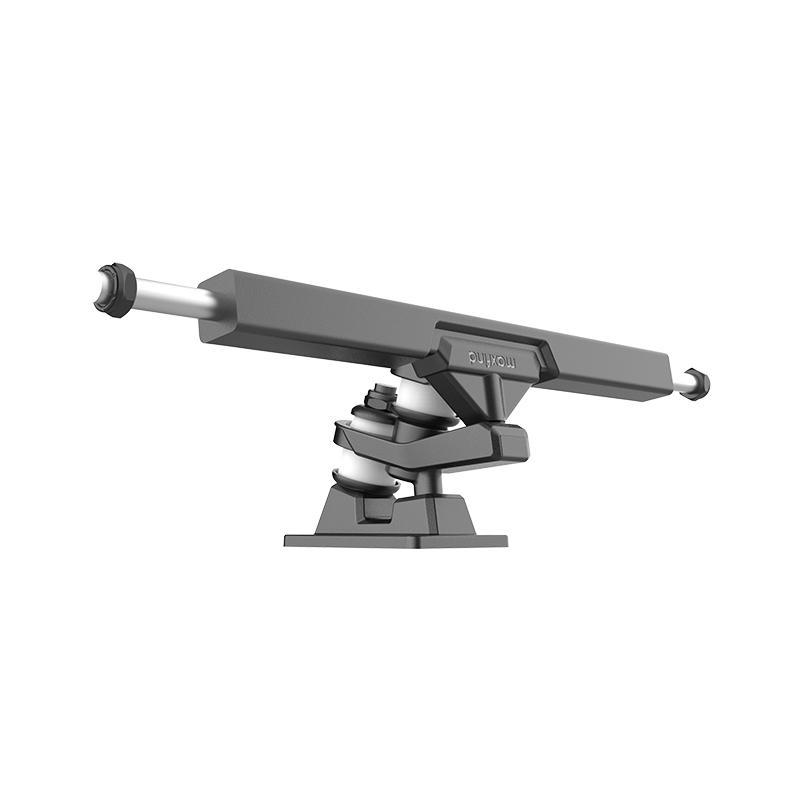
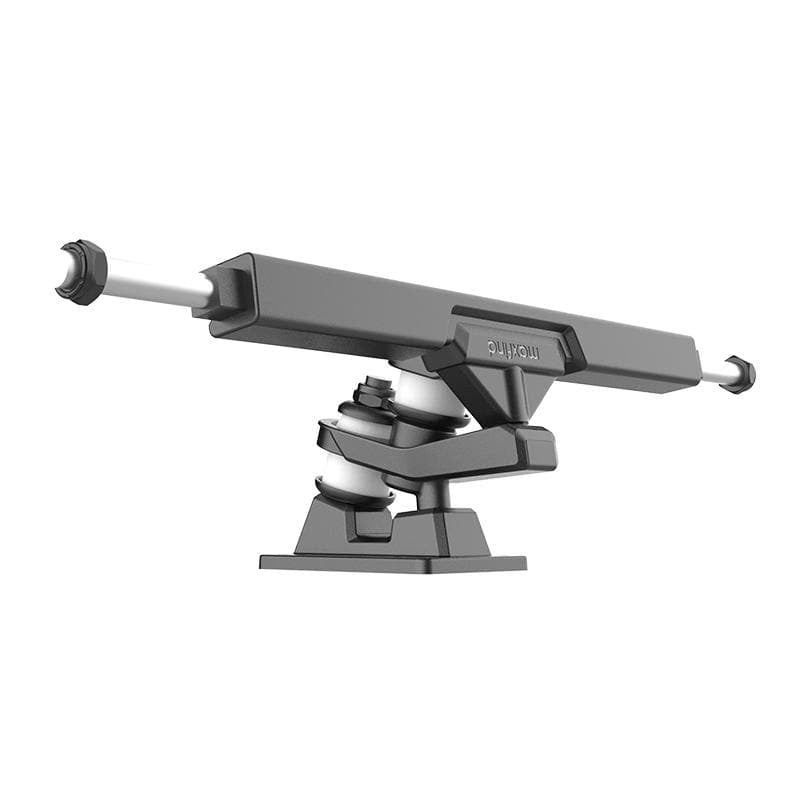
Der Motor liefert die Leistung, die das Board bewegt, während die Achsen das Deck tragen und steuern, wie sich das Board dreht. Zusammen beeinflussen sie Beschleunigung, Handling, Stabilität und das allgemeine Fahrgefühl.
2. Woher weiß ich, ob ein Ersatzmotor mit meinem Board kompatibel ist?
Ein Ersatzmotor sollte zum Antriebssystem, zur Montagevorrichtung, zu den Spannungsanforderungen und zur Gesamtkonfiguration Ihres Boards passen. Eine sorgfältige Kompatibilitätsprüfung trägt dazu bei, die ordnungsgemäße Leistung und den sicheren Betrieb zu gewährleisten.
3. Wie wähle ich die richtigen Achsen für ein elektrisches Skateboard aus?
Die richtigen Achsen hängen von deinem Board-Setup, deinem Fahrstil und der gewünschten Fahreigenschaft ab. Eine gute Abstimmung kann das Lenkverhalten, die Balance und die allgemeine Kontrolle beim Fahren verbessern.
4. Was ist der Unterschied zwischen Riemenantriebsmotoren und Nabenmotoren?
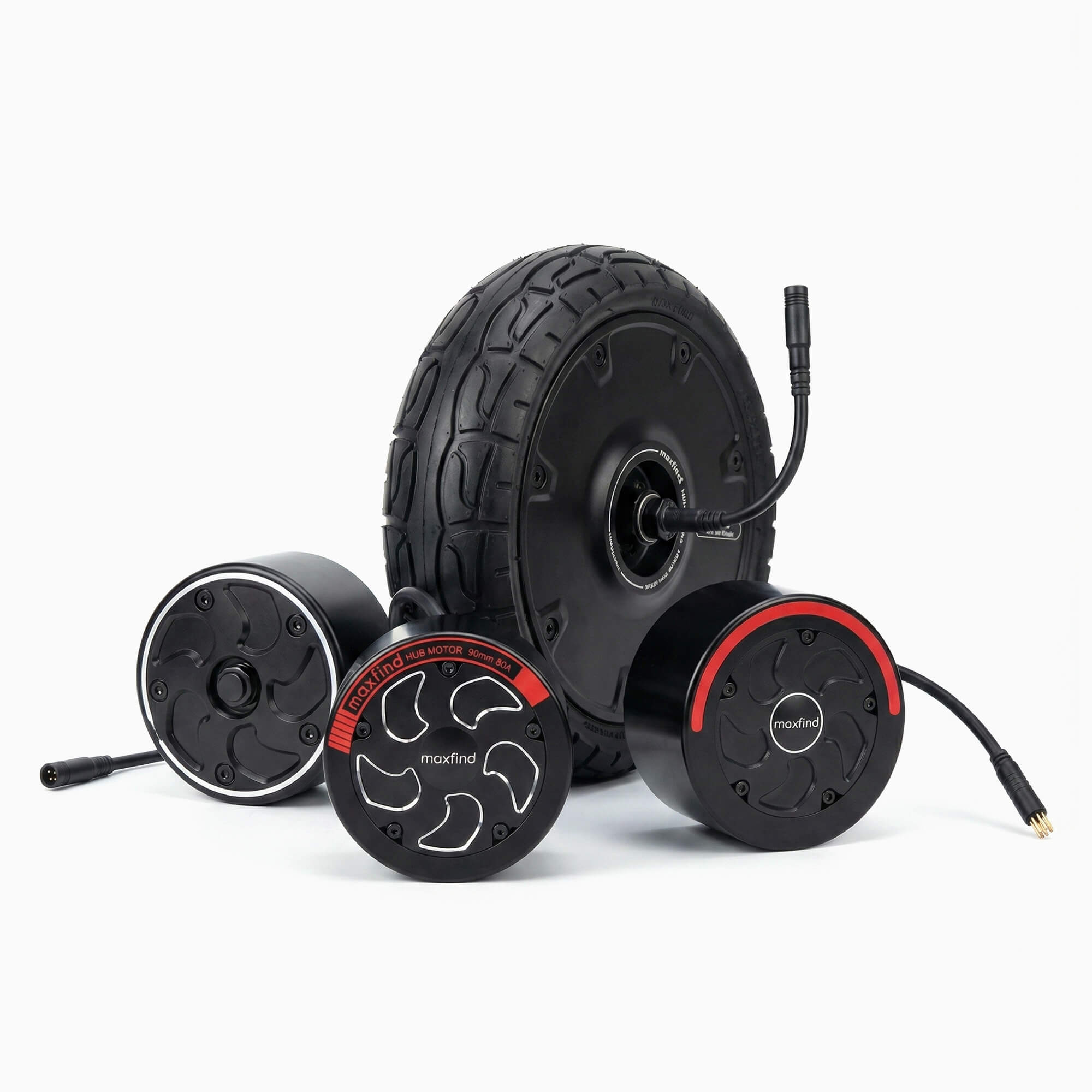
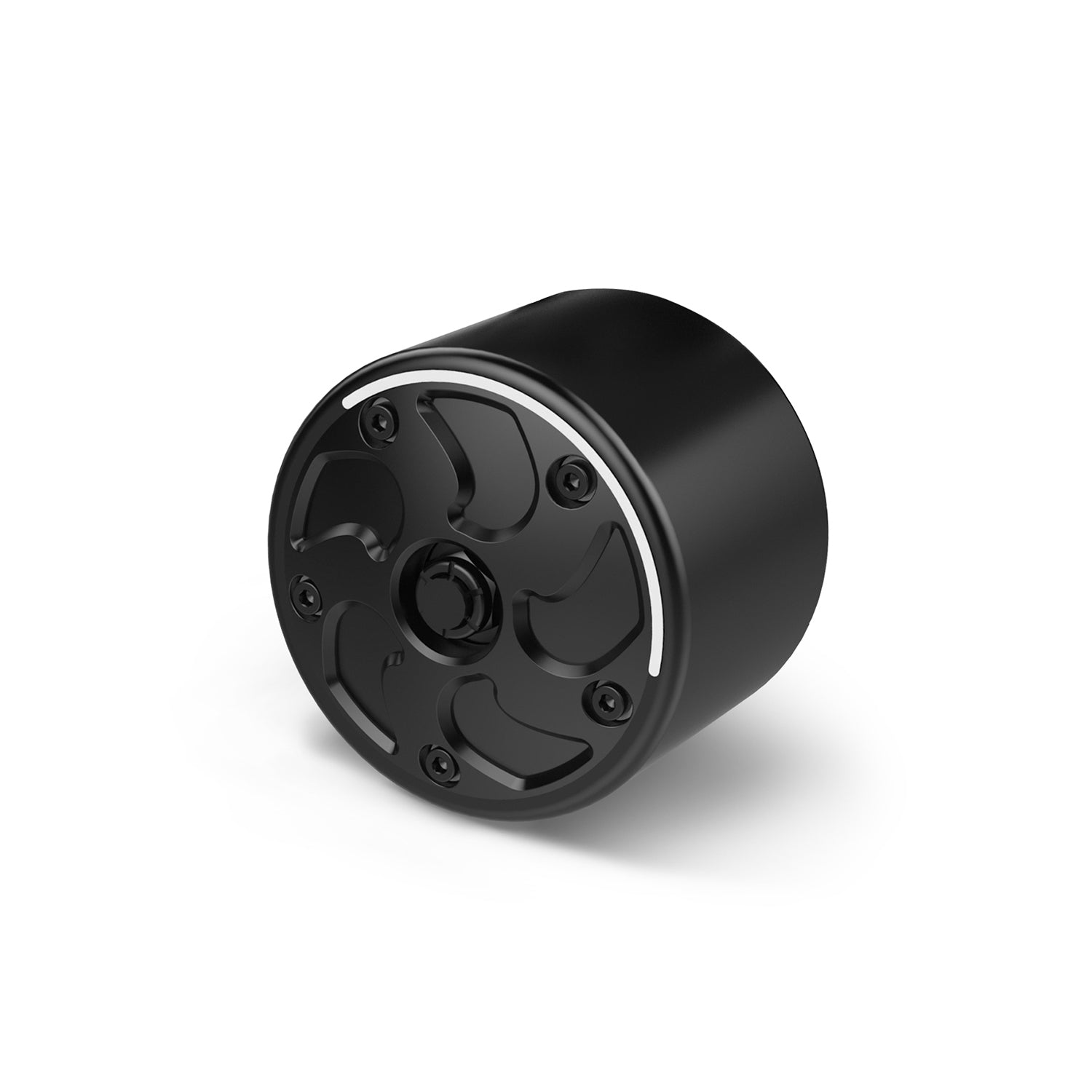
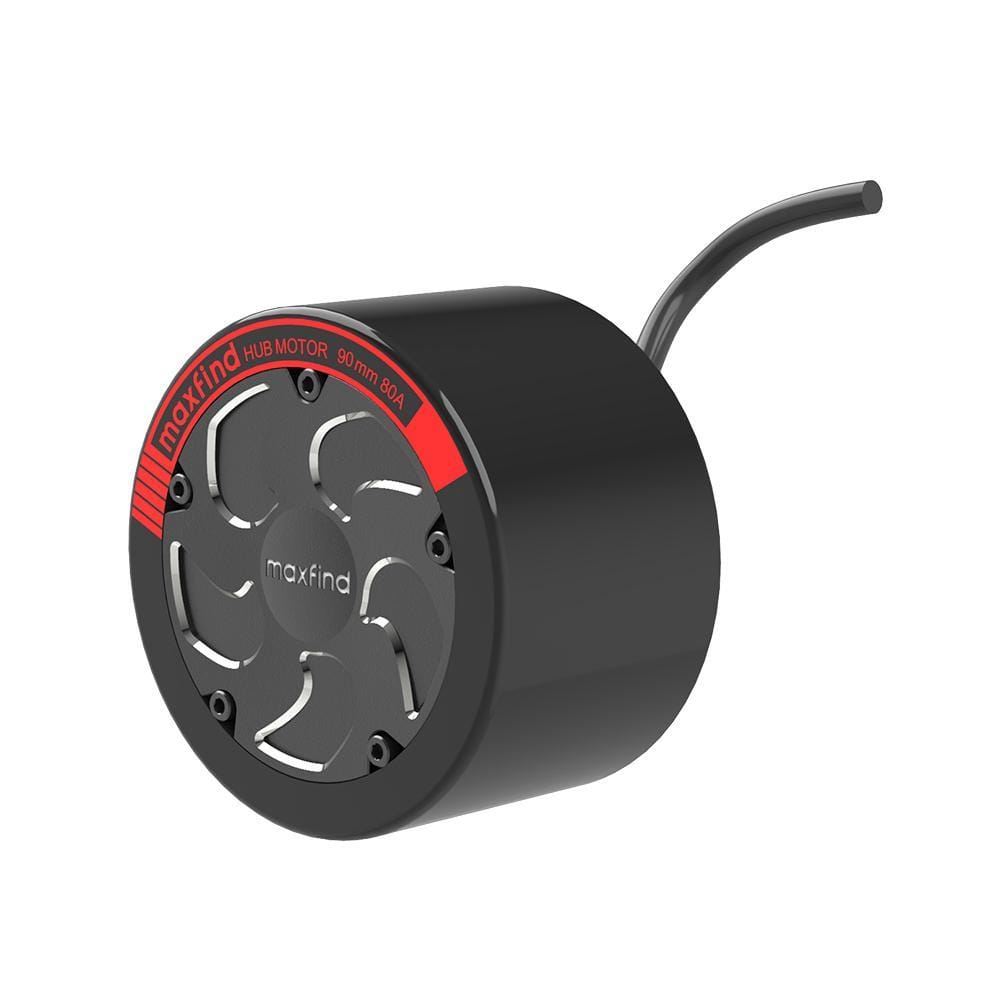
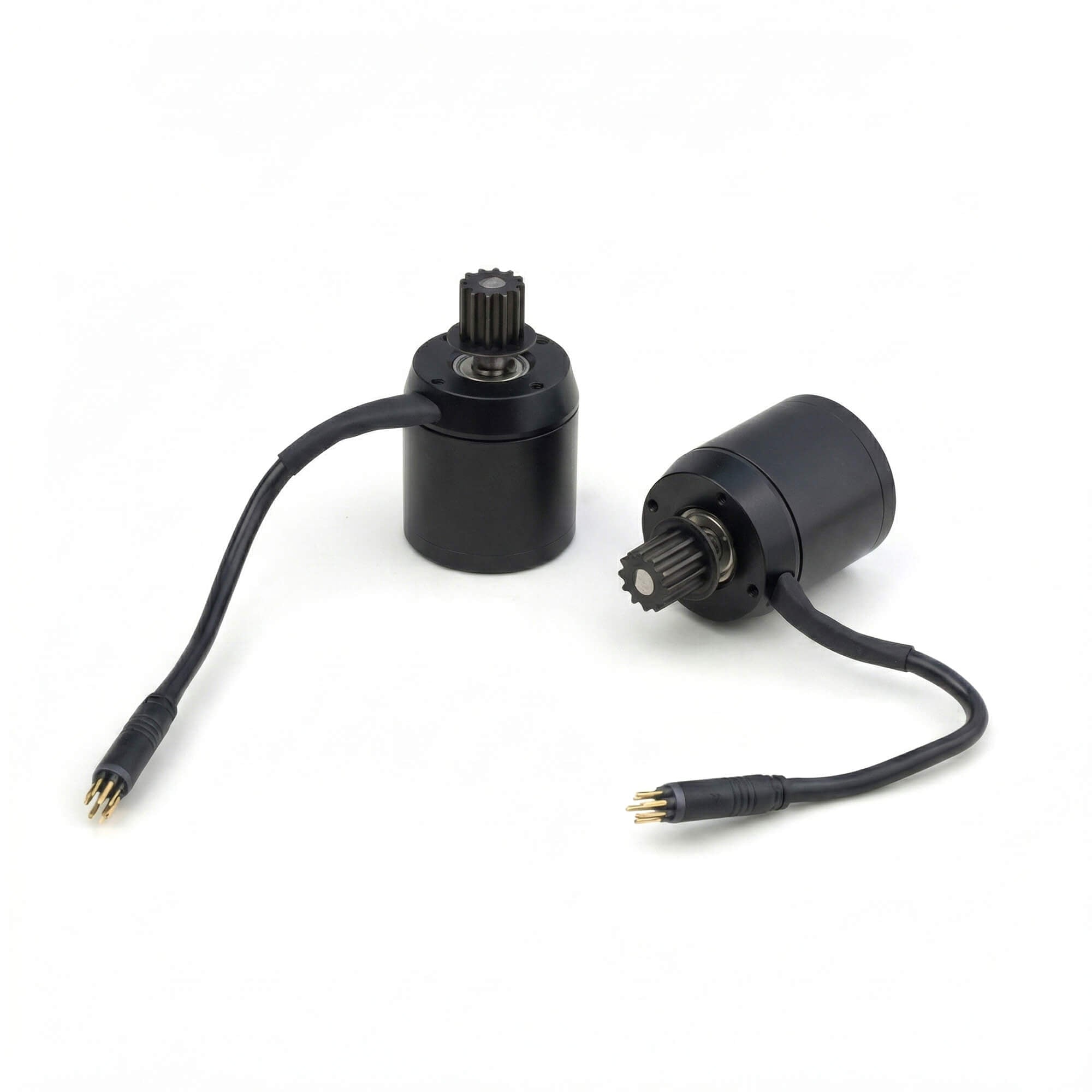
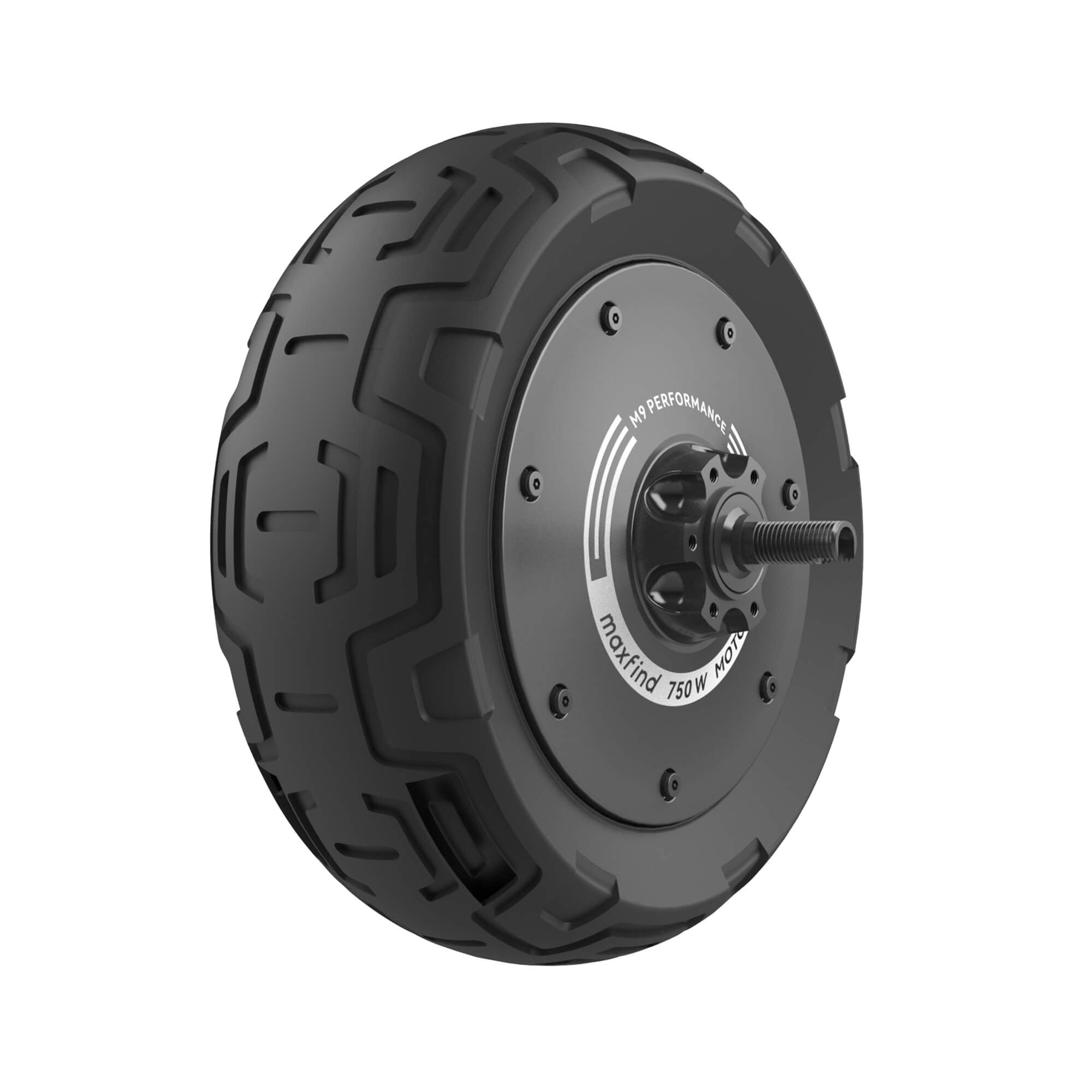
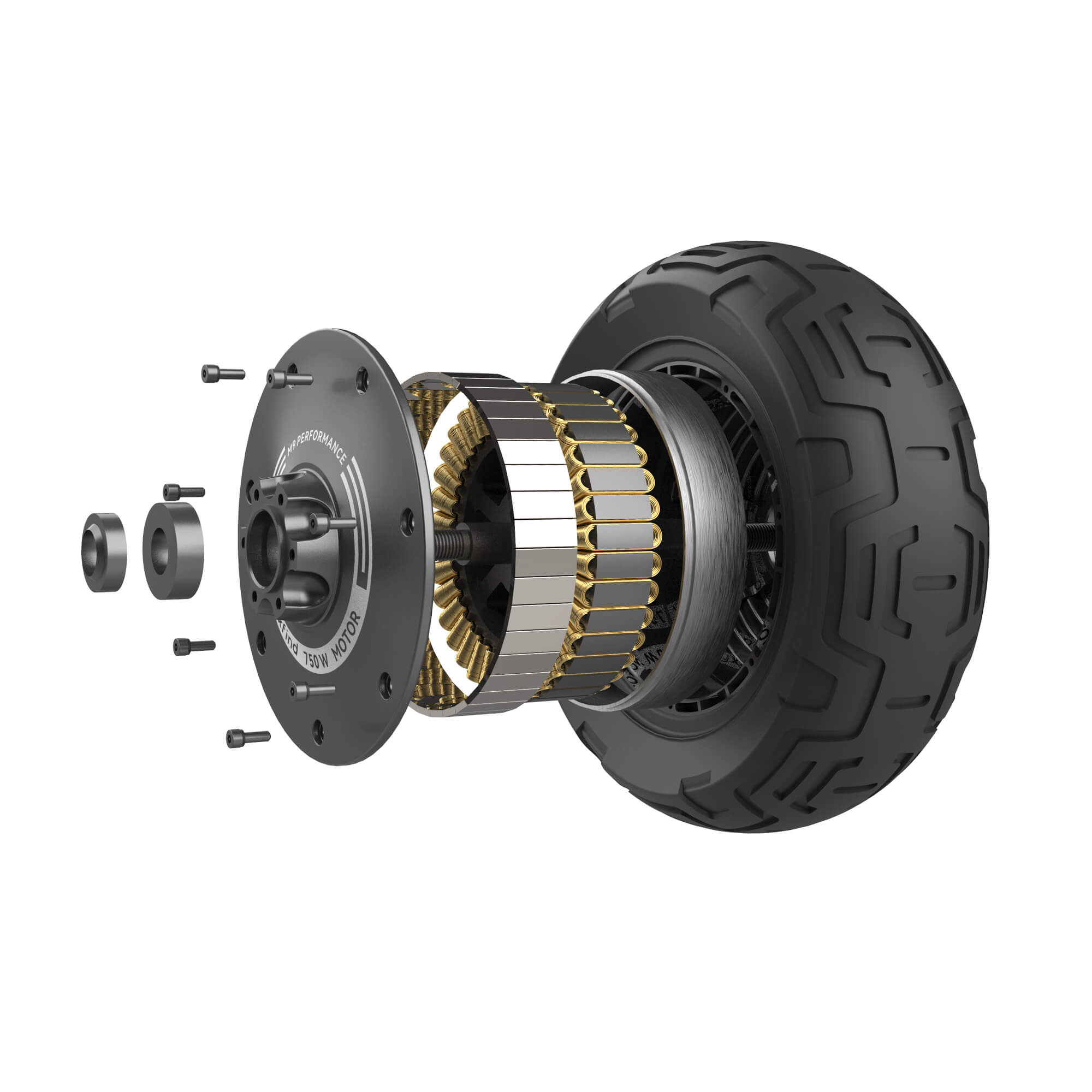
Riemenantriebsmotoren verwenden ein Riemensystem, um die Kraft auf die Räder zu übertragen, während Nabenmotoren direkt in die Räder integriert sind. Riemenantriebssysteme werden häufig wegen ihrer besseren Anpassbarkeit und Kraftübertragung gewählt, während Nabenmotoren für ihr klareres und einfacheres Design bekannt sind.
5. Können abgenutzte Achsen die Stabilität und das Kurvenverhalten beeinträchtigen?
Ja, abgenutzte Achsen können sowohl die Stabilität als auch das Kurvenverhalten beeinträchtigen. Wenn sich die Achsen nicht mehr stabil oder reaktionsfreudig anfühlen, kann das Board beim alltäglichen Fahren weniger berechenbar sein.
6. Woran erkennt man, dass der Motor eines Elektro-Skateboards ausfällt?
Häufige Anzeichen sind eine schwächere Beschleunigung, ungewöhnliche Geräusche, eine ungleichmäßige Leistungsabgabe, Überhitzung oder eine verringerte Leistung während der Fahrt. Wenn sich der Motor nicht mehr gleichmäßig oder zuverlässig anfühlt, muss er möglicherweise überprüft werden.
7. Wann sollte ich die Achsen meines Elektro-Skateboards austauschen?
Du solltest deine Trucks ersetzen, wenn sie starken Verschleiß oder Schäden aufweisen, die Stabilität nachlässt oder Leistungsprobleme auftreten, die das Fahrverhalten beeinträchtigen. Der Austausch abgenutzter Trucks kann dazu beitragen, eine bessere Kontrolle und ein angenehmeres Fahrverhalten wiederherzustellen.
8. Kann ein Motor- oder Lkw-Upgrade das Fahrverhalten und die Leistung verändern?
Ja, ein Upgrade des Motors oder der Achsen kann das Fahrgefühl und die Leistung des Boards verändern. Das richtige Upgrade kann die Kraftübertragung, das Lenkverhalten, die Stabilität und das gesamte Fahrerlebnis verbessern.