


Promozione per il ritorno a scuola! 🏷️ Ottimo rapporto qualità-prezzo!
--
Giorni--
Orari--
Minuti--
SecondiLe mini tavole elettriche offrono una combinazione unica di velocità e praticità per la vita moderna nel campus. Sono perfette per gli studenti che hanno bisogno di un mezzo portatile per spostarsi tra le lezioni. Questa guida spiega come scegliere e utilizzare efficacemente la tua prima tavola, garantendo al contempo la massima sicurezza durante il tragitto.

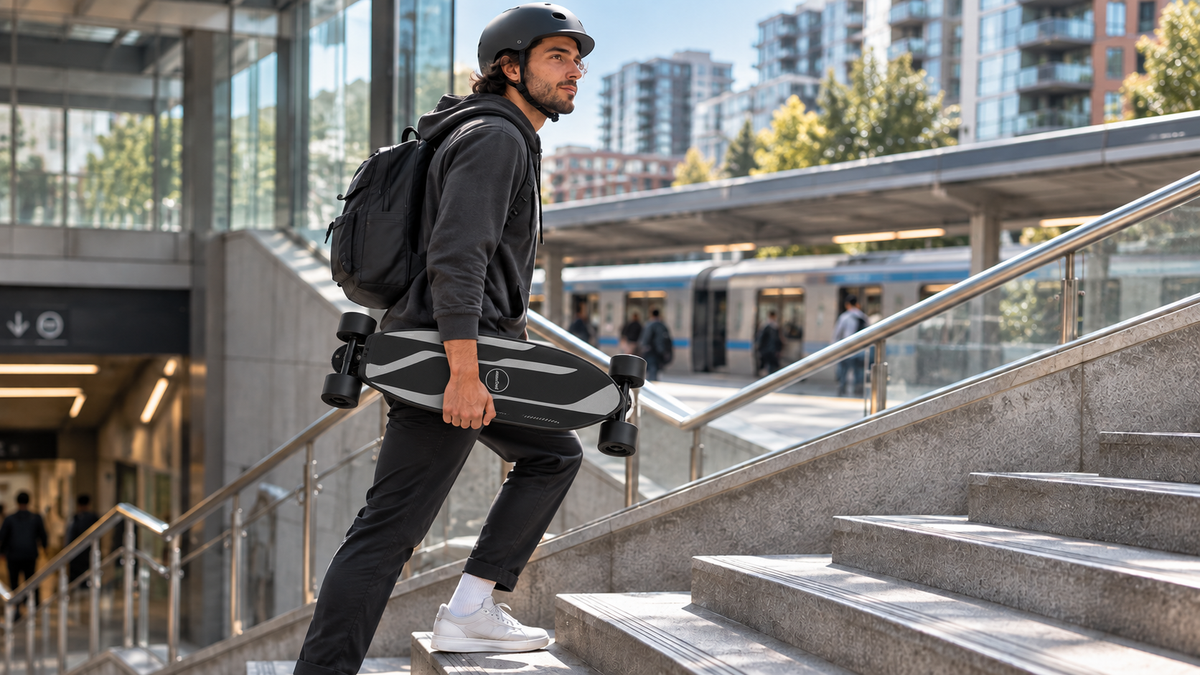
Il motivo principale per cui i rider scelgono un mini skateboard elettrico è dovuta alla sua leggerezza. Questo design compatto ti consente di portare la tavola negli edifici o attraversare corridoi affollati senza difficoltà. Offre un passaggio fluido dalla guida agli spostamenti a piedi.
Le mini board sono progettate per adattarsi facilmente agli spazi ridotti. Puoi riporle sotto i banchi delle aule o negli armadietti scolastici standard. Questa comodità significa che non dovrai mai preoccuparti di trovare un posto dove legare il tuo mezzo all’esterno, esposto agli agenti atmosferici.
Questi modelli più piccoli rappresentano generalmente un punto d’ingresso più conveniente nel mondo della mobilità elettrica. Offrono componenti di alta qualità e prestazioni affidabili senza il significativo investimento economico richiesto dai modelli fuoristrada più grandi. Questo li rende ideali per gli studenti con un budget limitato.
La stabilità e la flessibilità sono fattori fondamentali per il controllo durante la guida. I nuovi rider dovrebbero dare la priorità a una tavola più rigida, perché offre una piattaforma più prevedibile durante l’apprendimento dell’equilibrio. Sebbene le tavole flessibili assorbano gli urti, una struttura rigida offre maggiore sicurezza alle velocità elevate, impedendo rimbalzi indesiderati. Modelli come il Cyber Mini utilizzano materiali compositi avanzati per garantire una sensazione stabile e ben salda durante gli spostamenti urbani.
|
Tipo di motore |
Esigenze di manutenzione |
Livello di rumorosità |
Esperienza di guida |
|
Motori nel mozzo |
Manutenzione estremamente ridotta |
Funzionamento quasi silenzioso |
Sensazione diretta e fluida |
|
Motori a cinghia |
Richiede regolazioni regolari |
Rumore meccanico udibile |
Coppia e accelerazione elevate |
L’autonomia determina la distanza che puoi percorrere prima di dover raggiungere una presa di corrente. La maggior parte dei principianti ritiene sufficiente un’autonomia di dieci miglia per gli spostamenti quotidiani nel campus. Anche la ricarica rapida è utile per ricaricare la batteria tra le lezioni del mattino e quelle del pomeriggio.

La sicurezza è la parte più importante del processo di apprendimento. Dovresti indossare sempre un casco omologato per proteggere la testa. Equipaggiamento aggiuntivo come protezioni per i polsi e ginocchiere aiuterà a prevenire escoriazioni in caso di perdita dell'equilibrio durante le prime uscite.
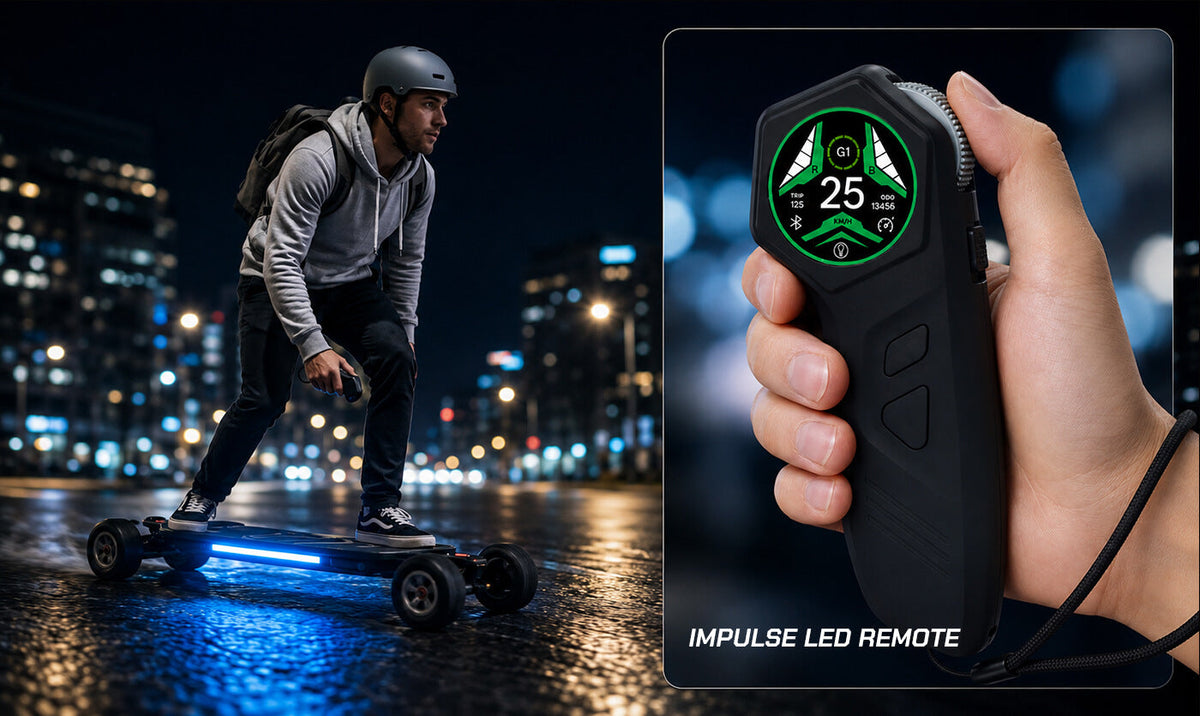
La connessione tra il conducente e la tavola è gestita tramite sistemi di controllo remoto. Dovresti fare pratica usando la rotella dell'acceleratore in una zona pianeggiante per familiarizzare con l'accelerazione. Comprendere le diverse modalità di velocità ti aiuterà a mantenere il controllo.
Prima di iniziare il tragitto, dovresti eseguire una rapida ispezione. Controlla che tutti i bulloni siano serrati e assicurati che la batteria sia completamente carica. Verificare che il telecomando sia correttamente sincronizzato con la tavola eviterà problemi imprevisti durante il tragitto.
Trovare la posizione naturale dei piedi è il primo passo per imparare a guidare con successo. Se hai il piede sinistro davanti, guidi in posizione regular, mentre avere il destro davanti si chiama posizione goofy. Una posizione più ampia offre generalmente una maggiore stabilità ai principianti mentre acquistano sicurezza.
La chiave per rimanere in equilibrio è eseguire movimenti fluidi con il telecomando. Dovresti inclinarti leggermente in avanti quando acceleri per mantenere l'equilibrio. Quando freni, dovresti spostare il peso verso la parte posteriore della tavola per rimanere centrato.
Le tavole mini sono eccellenti per affrontare le curve strette grazie al passo più corto. Anche se puoi curvare inclinando il peso del corpo, puoi usare anche il kicktail per far ruotare rapidamente la tavola. Questa abilità è molto utile per evitare i pedoni sui marciapiedi stretti del campus.

Per mantenere la tua tavola in buone condizioni per anni, devi prenderti cura della batteria. Il team di Maxfind suggerisce di evitare di lasciare la batteria allo zero percento per lunghi periodi. Conservare la tavola in un ambiente fresco aiuterà a preservare la salute delle celle.
Dovresti controllare regolarmente le ruote per verificare la presenza di detriti incastrati o segni di usura irregolare. Pulire i cuscinetti ogni pochi mesi garantirà una guida fluida e ridurrà lo sforzo sui motori. Questo semplice accorgimento aiuta la tua tavola a rimanere efficiente e silenziosa.
Mantenere pulito il grip tape è essenziale per conservare una trazione adeguata. Puoi usare una gomma apposita per grip per rimuovere sporco e polvere dalla superficie. Pulire la parte inferiore della tavola con un panno umido manterrà il tuo skateboard come nuovo e pronto per l’aula.
Iniziare il tuo percorso con una mini tavola elettrica è un modo entusiasmante per recuperare tempo e libertà. Scegliendo le funzionalità giuste e adottando comportamenti sicuri, puoi rendere i tuoi spostamenti più efficienti. Queste tavole rappresentano davvero il futuro della mobilità urbana portatile. Se sei pronto a migliorare la tua esperienza universitaria, visita il nostro negozio per trovare la tavola più adatta alle tue esigenze.
La maggior parte delle compagnie aeree consente di trasportare batterie al litio esclusivamente come bagaglio a mano se hanno una capacità inferiore a 100 wattora. Poiché molte batterie per skateboard elettrici superano questa capacità, dovresti controllare le specifiche del tuo modello e verificare le normative vigenti con la tua compagnia aerea prima di recarti in aeroporto.
Queste tavole compatte riescono a gestire salite ripide con un ciclista pesante?
Le mini tavole di alta qualità dotate di doppio motore riescono in genere a percorrere salite con pendenze comprese tra il 20 e il 30 percento. Sebbene un ciclista più pesante possa notare una lieve riduzione dell’accelerazione sulle pendenze molto ripide, le tavole sono progettate per fornire una coppia sufficiente nella maggior parte degli ambienti universitari e urbani.
È sicuro guidare una mini tavola elettrica attraversando pozzanghere o sotto una pioggia leggera?
In genere si sconsiglia di guidare in condizioni di bagnato, perché l’umidità può penetrare nel tempo nelle guarnizioni elettroniche e causare danni a lungo termine. Inoltre, l’acqua riduce significativamente l’aderenza delle ruote in poliuretano sull’asfalto, rendendo molto più difficile frenare o svoltare in sicurezza.
Una shortboard da prestazioni ben costruita di solito supporta una capacità di carico massima compresa tra 220 e 265 libbre. L’uso di materiali compositi rinforzati garantisce che la tavola rimanga stabile e resistente anche quando trasporta un ciclista al limite superiore di questo intervallo di peso.
Altre letture: Recensione dello skateboard elettrico CYBER MINI di Maxfind: tavola compatta, grandi prestazioni
Condividi:
Skateboard elettrico fuoristrada CYBER ULTRA: stile cyberpunk, sicurezza assoluta
Skatepark vs pattinaggio di strada: scegli il tuo percorso migliore nel 2026