


Schulanfangsangebot! 🏷️ Tolles Preis-Leistungs-Verhältnis!
--
Tage--
Öffnungszeiten--
Minuten--
Sek.Elektrische Mini-Skateboards vereinen Geschwindigkeit und Komfort perfekt für den modernen Campus-Alltag. Sie sind ideal für Studenten, die eine tragbare Möglichkeit benötigen, um zwischen ihren Kursen unterwegs zu sein. Dieser Ratgeber erklärt, wie du dein erstes Board effektiv auswählst und fährst und dabei für maximale Sicherheit während deiner Fahrt sorgst.

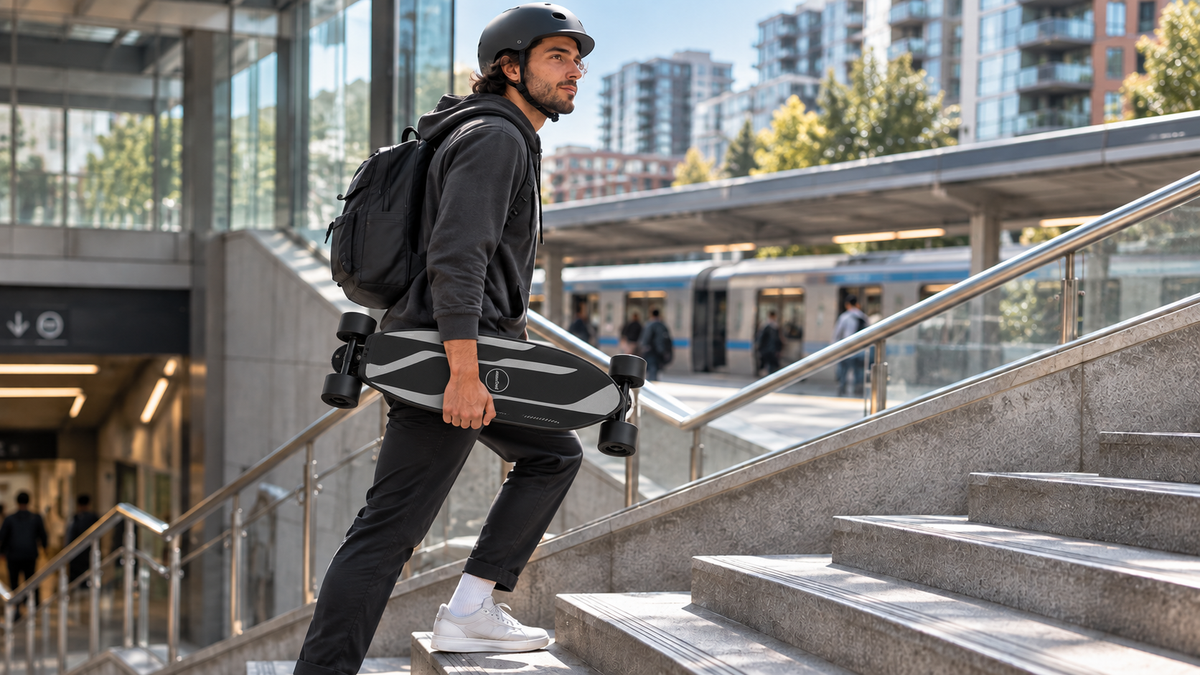
Der Hauptgrund, warum sich Fahrer für ein elektrisches Mini-Skateboard liegt an seinem geringen Gewicht. Dank des kompakten Designs kannst du dein Board problemlos in Gebäude oder durch belebte Flure tragen. So gelingt der nahtlose Übergang vom Fahren zum Gehen.
Mini-Boards sind so konzipiert, dass sie problemlos in kleine Räume passen. Du kannst sie unter Hörsaaltischen oder in normalen Schulspinden verstauen. Dank dieser praktischen Eigenschaft musst du dir keine Gedanken darüber machen, wo du dein Fahrzeug draußen in der Witterung abschließen kannst.
Diese kleineren Modelle sind im Allgemeinen ein erschwinglicherer Einstieg in die Welt der elektrischen Mobilität. Sie bieten hochwertige Komponenten und zuverlässige Leistung, ohne die erheblichen finanziellen Investitionen, die größere Offroad-Modelle erfordern. Dadurch sind sie ideal für Studenten mit begrenztem Budget.
Stabilität und Flexibilität sind entscheidende Faktoren für die Kontrolle beim Fahren. Anfänger sollten ein steiferes Deck bevorzugen, da es beim Erlernen des Gleichgewichts eine besser vorhersehbare Plattform bietet. Während flexible Decks Stöße abfedern, sorgt eine starre Konstruktion bei höheren Geschwindigkeiten für mehr Sicherheit, da sie unerwünschtes Aufschaukeln verhindert. Modelle wie das Cyber Mini verwenden fortschrittliche Verbundwerkstoffe, um während der Fahrt in der Stadt ein stabiles und sicheres Fahrgefühl zu gewährleisten.
|
Motortyp |
Wartungsbedarf |
Geräuschpegel |
Fahrerlebnis |
|
Nabenmotoren |
Äußerst wartungsarm |
Nahezu geräuschloser Betrieb |
Direktes und sanftes Fahrgefühl |
|
Riemenmotoren |
Regelmäßige Einstellungen erforderlich |
Hörbare mechanische Geräusche |
Hohes Drehmoment und starke Beschleunigung |
Die Reichweite bestimmt, wie weit du fahren kannst, bevor du eine Steckdose benötigst. Für die meisten Anfänger reicht eine Reichweite von zehn Meilen für einen ganzen Tag, an dem sie auf dem Campus unterwegs sind. Eine Schnellladefunktion ist ebenfalls hilfreich, um den Akku zwischen deinen Vormittags- und Nachmittagskursen nachzuladen.

Sicherheit ist der wichtigste Teil des Lernprozesses. Du solltest immer einen zertifizierten Helm tragen, um deinen Kopf zu schützen. Zusätzliche Ausrüstung wie Handgelenkschützer und Knieschoner hilft, Schürfwunden zu vermeiden, falls du bei deinen ersten Fahrten das Gleichgewicht verlierst.
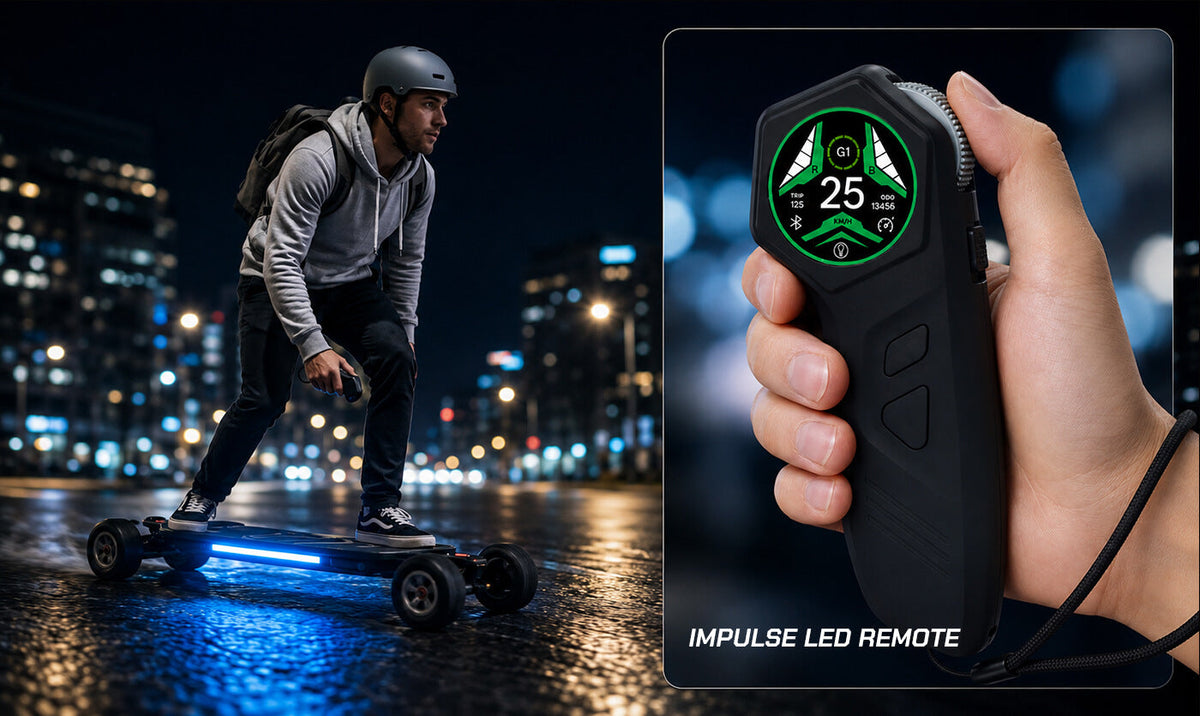
Die Verbindung zwischen Fahrer und Board wird über Fernbedienungssystemen gesteuert. Du solltest üben, das Beschleunigungsrad in einem ebenen Bereich zu bedienen, um ein Gefühl für die Beschleunigung zu bekommen. Wenn du die verschiedenen Geschwindigkeitsmodi kennst, kannst du die Kontrolle behalten.
Vor Beginn deiner Fahrt solltest du eine kurze Kontrolle durchführen. Prüfe, ob alle Schrauben fest sitzen, und stelle sicher, dass der Akku vollständig geladen ist. Wenn du überprüfst, ob die Fernbedienung ordnungsgemäß mit dem Board synchronisiert ist, verhinderst du unerwartete Probleme unterwegs.
Deine natürliche Fahrposition zu finden, ist der erste Schritt zum erfolgreichen Fahren. Wenn du mit dem linken Fuß vorne fährst, fährst du regular, während das Fahren mit dem rechten Fuß vorne als goofy bezeichnet wird. Eine breitere Fußstellung bietet Anfängern beim Aufbau ihres Selbstvertrauens in der Regel mehr Stabilität.
Der Schlüssel, um aufrecht zu bleiben, sind gleichmäßige Bewegungen mit der Fernbedienung. Beim Beschleunigen solltest du dich leicht nach vorn lehnen, um dein Gleichgewicht zu halten. Beim Bremsen solltest du dein Gewicht zum hinteren Teil des Boards verlagern, damit du zentriert bleibst.
Mini-Boards eignen sich dank ihres kürzeren Radstands hervorragend zum Navigieren durch enge Kurven. Du kannst lenken, indem du dein Körpergewicht verlagerst, oder das Kicktail verwenden, um das Board schnell zu drehen. Diese Fähigkeit ist sehr nützlich, um Fußgängern auf schmalen Gehwegen des Campus auszuweichen.

Damit dein Board viele Jahre lang zuverlässig läuft, musst du den Akku pflegen. Das Team von Maxfind empfiehlt, den Akku nicht längere Zeit bei null Prozent zu belassen. Wenn du das Board an einem kühlen Ort lagerst, trägt das zur Erhaltung der Zellengesundheit bei.
Du solltest deine Räder regelmäßig auf eingeklemmte Fremdkörper oder Anzeichen für ungleichmäßigen Verschleiß prüfen. Wenn du die Lager alle paar Monate reinigst, sorgt das für eine gleichmäßige Fahrt und verringert die Belastung deiner Motoren. Dieser einfache Schritt trägt dazu bei, dass dein Board effizient und leise bleibt.
Sauberes Griptape ist entscheidend, um eine angemessene Traktion zu gewährleisten. Mit einem speziellen Griptape-Radierer können Sie Schmutz und Staub von der Oberfläche entfernen. Wenn Sie die Unterseite des Decks mit einem feuchten Tuch abwischen, bleibt Ihr Board wie neu und ist bereit für den Unterricht.
Mit einem elektrischen Mini-Skateboard aufzubrechen, ist eine aufregende Möglichkeit, Zeit und Freiheit zurückzugewinnen. Wenn Sie auf die richtigen Funktionen achten und Sicherheitsmaßnahmen einüben, können Sie Ihren Arbeitsweg effizienter gestalten. Diese Boards verkörpern wahrhaftig die Zukunft des mobilen städtischen Transports. Wenn Sie bereit sind, Ihre Campus-Erfahrung zu verbessern, besuchen Sie unseren Shop und finden Sie das passende Board für Ihre Bedürfnisse.
Die meisten Fluggesellschaften erlauben Lithiumbatterien als Handgepäck nur, wenn sie weniger als 100 Wattstunden haben. Da die Batterien vieler elektrischer Skateboards diese Kapazität überschreiten, sollten Sie die technischen Daten Ihres konkreten Modells prüfen und sich vor dem Weg zum Flughafen bei Ihrer Fluggesellschaft über die aktuellen Bestimmungen informieren.
Können diese kompakten Boards steile Hügel mit einem schweren Fahrer bewältigen?
Hochwertige Mini-Boards mit zwei Motoren können in der Regel Steigungen von 20 bis 30 Prozent bewältigen. Ein schwererer Fahrer bemerkt an sehr steilen Anstiegen möglicherweise eine leichte Verringerung der Beschleunigung, doch die Boards sind so konstruiert, dass sie für die meisten Campus- und Stadtumgebungen ausreichend Drehmoment liefern.
Ist es sicher, mit einem elektrischen Mini-Board durch Pfützen oder leichten Regen zu fahren?
Das Fahren bei Nässe wird generell nicht empfohlen, da Feuchtigkeit mit der Zeit in die elektronischen Dichtungen eindringen und langfristige Schäden verursachen kann. Außerdem verringert Wasser die Haftung von Polyurethan-Rädern auf dem Asphalt erheblich, wodurch sicheres Bremsen oder Abbiegen deutlich schwieriger wird.
Ein gut gebautes Performance-Shortboard trägt in der Regel ein maximales Gewicht von 100 bis 120 kg. Verstärkte Verbundmaterialien sorgen dafür, dass das Deck stabil und langlebig bleibt, selbst wenn es mit einem Fahrer am oberen Ende dieser Gewichtsspanne belastet wird.
Weitere Lektüre: Test des elektrischen Skateboards MAXFIND CYBER MINI: Kleines Board, große Leistung
Teilen:
CYBER ULTRA Elektrisches Offroad-Skateboard: Cyberpunk-Flair, ultimative Sicherheit
Skateparks vs. Street-Skaten: Wähle deinen besten Fahrweg im Jahr 2026